

Sleep problems are one of the most persistent and exhausting parts of living with post-traumatic stress disorder. Many people expect flashbacks or anxiety, but the nightly disruption often has the deepest impact on daily life. Broken sleep, frequent waking, and intense nightmares can leave people feeling drained, irritable, and unable to focus.
For some, standard approaches such as medication or therapy provide partial relief but do not fully restore healthy sleep patterns. This is where Transcranial Magnetic Stimulation is gaining attention.
It offers a different pathway, one that targets the brain activity linked to both PTSD and disrupted sleep. Understanding how TMS improves sleep in PTSD patients helps explain why more clinicians are including it as part of a broader treatment plan.
Why PTSD Disrupts Sleep So Severely
PTSD affects how the brain processes threat and safety. Even when a person is physically safe, the brain can remain in a heightened state of alertness. This constant activation makes it difficult to relax into sleep.
Several patterns are common:
-
Difficulty falling asleep due to racing thoughts
-
Frequent waking throughout the night
-
Light, non-restorative sleep
-
Early waking with an inability to return to sleep
These issues are linked to changes in key brain regions, including the prefrontal cortex, amygdala, and hippocampus. The balance between emotional regulation and threat detection becomes disrupted. The nervous system struggles to switch off. Over time, poor sleep worsens other symptoms. Anxiety increases, mood drops, and concentration declines. This cycle can feel hard to break.
What Is TMS and How Does It Work?
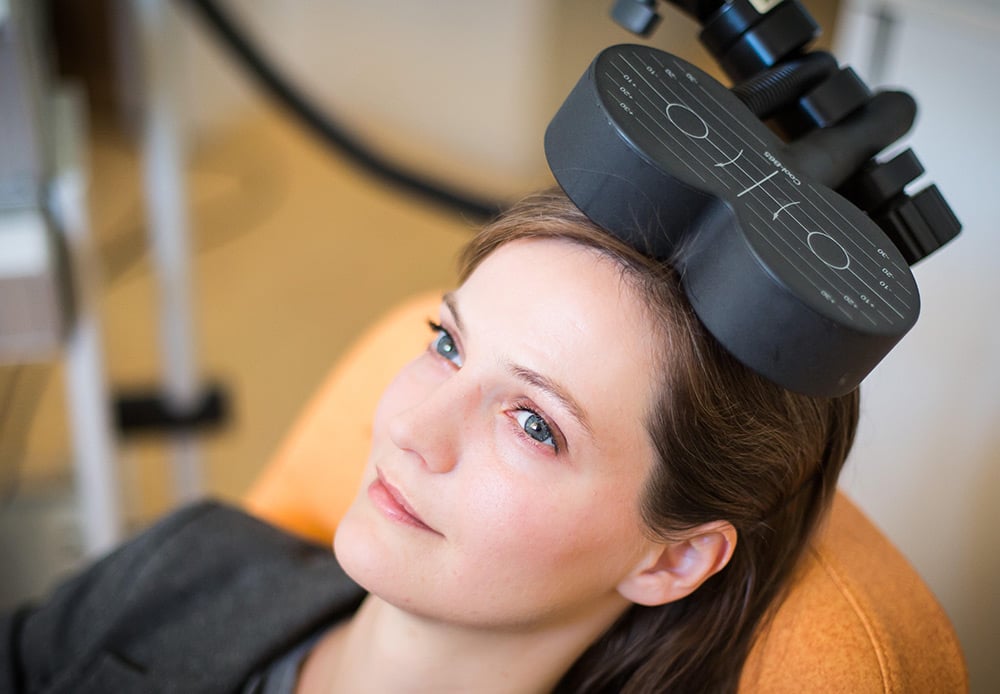
TMS therapy for PTSD is a non-invasive treatment that uses magnetic pulses to stimulate specific areas of the brain. It does not require medication or sedation. Patients remain awake and can return to their day immediately after each session.
TMS focuses on areas involved in mood regulation and emotional control. In PTSD, these areas often show reduced activity or poor connectivity with other parts of the brain. By delivering targeted stimulation, TMS helps to:
-
Increase activity in underactive brain regions
-
Improve communication between neural networks
-
Support more balanced emotional responses
While it is widely known for treating depression, there is growing evidence around the improvement of depression and sleep via TMS, especially in people with trauma-related conditions.
The Link Between Brain Regulation and Sleep
Sleep is not simply about feeling tired. It depends on the brain’s ability to shift between states. A healthy brain can move from alertness into rest with relative ease. In PTSD, that transition is disrupted. The brain stays in a defensive mode, even at night.
TMS helps restore more stable brain activity. As emotional regulation improves, the nervous system becomes less reactive. This creates the conditions needed for better sleep. This is one of the key ways clinicians are improving sleep quality with TMS for PTSD. Rather than treating sleep as a separate issue, TMS addresses the underlying neurological patterns driving both PTSD symptoms and sleep disruption.
How TMS Improves Sleep in PTSD Patients
Patients often report gradual but meaningful changes in their sleep during a course of TMS treatment. These improvements can include:
Falling Asleep More Easily
As hyperarousal reduces, the mind becomes quieter at night. Patients find it easier to settle into sleep without prolonged periods of restlessness.
Fewer Night-Time Awakenings
TMS appears to stabilise sleep cycles. Many people notice they wake less frequently and can return to sleep more easily if they do wake.
Reduction in Nightmares
Nightmares are linked to how the brain processes emotional memories. By improving regulation in key areas, TMS can reduce the intensity and frequency of trauma-related dreams.
Deeper, More Restorative Sleep
Patients often describe feeling more refreshed in the morning. This suggests improved sleep quality, not just longer sleep duration.
Better Daytime Functioning
Improved sleep leads to clearer thinking, better mood, and increased resilience. This creates a positive feedback loop that supports ongoing recovery.
What the Research Shows
Clinical studies are increasingly exploring the effects of TMS on PTSD symptoms, including sleep. While research is ongoing, several consistent findings are emerging.
Studies show that TMS can:
-
Reduce overall PTSD symptom severity
-
Improve depressive symptoms that often co-occur with PTSD
-
Decrease sleep disturbances, including insomnia and nightmares
Neuroimaging research supports these findings. It shows improved activity in the prefrontal cortex and better regulation of the amygdala after treatment. These changes align with improvements in both emotional stability and sleep.
Importantly, these benefits tend to build over time. Patients may notice early changes within a few weeks, with continued improvement throughout the treatment course.
Why TMS Is Different from Medication
Medication can be helpful for many people, but it often works by suppressing symptoms. Sleep medications may induce drowsiness, but they do not always restore natural sleep patterns. TMS takes a different approach. It targets the brain networks responsible for regulation and recovery.
Key differences include:
-
No systemic side effects associated with medication
-
No need for daily dosing
-
Focus on long-term brain function rather than short-term relief
-
Can be used alongside therapy and medication if needed
This makes TMS treatment for sleep disturbances and PTSD a valuable option, particularly for those who have not responded well to other treatments.
What to Expect During Treatment
TMS is typically delivered over several weeks. Patients attend sessions on a regular schedule, often five days per week.
Each session involves:
-
Sitting comfortably in a treatment chair
-
A magnetic coil placed near the scalp
-
Short pulses delivered to targeted brain areas
Sessions are brief, and most patients tolerate them well. There is no recovery time required afterwards. Sleep improvements do not always happen immediately. Some people notice changes within the first few weeks, while others see more gradual progress. Consistency is important.
Integrating TMS with Broader PTSD Care
TMS works best as part of a comprehensive approach. While it addresses brain function directly, other strategies help reinforce progress.
These may include:
-
Trauma-focused psychological therapies
-
Sleep hygiene strategies
-
Stress management techniques
-
Structured daily routines
Combining these approaches increases the likelihood of sustained improvement. Patients often find that once sleep improves, they are better able to engage with therapy and daily activities.
Who May Benefit from TMS for Sleep Issues
TMS may be suitable for people who:
-
Have ongoing sleep problems linked to PTSD
-
Experience limited benefit from medication or therapy alone
-
Want a non-invasive treatment option
-
Are seeking to improve both mood and sleep together
A clinical assessment is essential to determine suitability. Treatment plans are tailored to the individual, taking into account their symptoms, history, and goals.
A Practical Shift in Recovery
For many patients, the impact of better sleep is immediate and tangible. Waking up feeling rested changes how the day unfolds. It becomes easier to concentrate, manage stress, and reconnect with daily life.
This is why improving sleep quality with TMS for PTSD is more than a secondary benefit. It is often a turning point in recovery. As sleep stabilises, other symptoms become more manageable. The body and mind have the chance to reset and rebuild.
Moving Towards Better Sleep and Recovery
Sleep disruption in PTSD is not something people simply have to live with. It reflects deeper patterns in how the brain is functioning. When those patterns are addressed, real change becomes possible.
TMS offers a targeted and evidence-based way to support that change. By improving regulation in the brain, it helps restore healthier sleep patterns and reduce the intensity of trauma-related symptoms. For those exploring options beyond traditional treatments, TMS therapy for PTSD related sleep problems provides a practical and promising path forward.
At Monarch Mental Health Group, patients receive personalised assessments and tailored treatment plans that may include TMS, psychological support, and medical review. With clinics across Australia and a strong focus on clinical outcomes, the team works closely with each individual to support meaningful, lasting improvement in both sleep and overall mental health.
FAQs
How does PTSD affect sleep quality?
PTSD can keep the brain and nervous system in a heightened state of alertness, making it harder to relax and enter deeper stages of sleep. Many people experience insomnia, frequent waking, nightmares, restless sleep or feeling unrefreshed even after spending enough time in bed.
How long does it take to see sleep improvements with TMS?
Sleep changes with TMS can vary from person to person. Some people may notice improvement within a few weeks, while others experience more gradual changes over the full course of treatment, especially if sleep disruption is linked to PTSD, depression or anxiety.
Is TMS safe for improving sleep in PTSD patients?
TMS is considered safe and well tolerated when delivered by trained clinicians after appropriate assessment. It is non-invasive, does not require sedation, and most side effects are mild and temporary, although suitability should always be reviewed individually.
.png)
About The Author
Dr Ted Cassidy
Dr. Ted Cassidy is a psychiatrist and co-founder of Monarch Mental Health Group in Australia, which provides innovative treatments for depression, PTSD, and anxiety. Monarch Mental Health is recognized as Australia's first outpatient clinic offering assisted therapy and is the largest provider of outpatient magnetic stimulation therapy.