

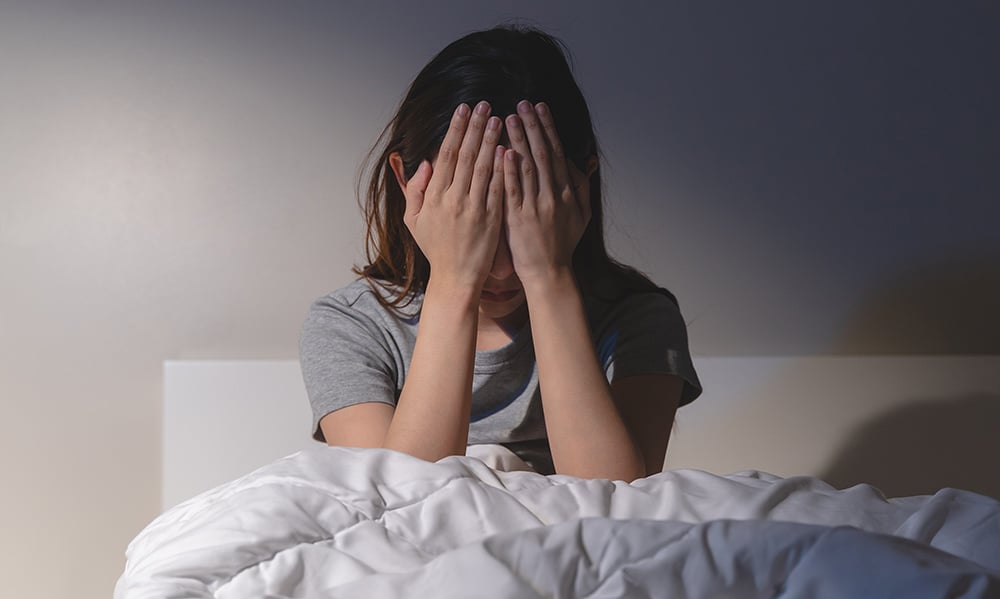
For many veterans, the transition from service to civilian life brings challenges that extend far beyond physical injuries. Insomnia and nightmares are among the most distressing symptoms faced by those living with post-traumatic stress disorder (PTSD).
These sleep disturbances often occur alongside chronic pain, depression and anxiety, creating a cycle that can feel impossible to escape. Understanding why this happens and how to treat it effectively is vital to helping veterans regain rest, recovery and peace of mind.
The Connection Between PTSD and Sleep
Research consistently shows that sleep problems are among the most common and long-lasting symptoms of PTSD. Veterans often report difficulty falling asleep, waking frequently through the night, or experiencing vivid, disturbing dreams that replay traumatic events. This combination of insomnia and nightmares makes it difficult to recover emotionally and physically.
Studies from the U.S. Department of Veterans Affairs and the Sleep Foundation show that up to 70% of veterans with PTSD suffer from chronic insomnia. The brain remains in a state of hyperarousal, unable to fully relax even when the body is tired. This state keeps the stress response active, leading to increased heart rate, rapid breathing and muscle tension, all of which make it hard to fall or stay asleep.
What Causes Insomnia in Veterans
While PTSD is one of the primary causes of insomnia among veterans, other factors often contribute. Chronic pain from injuries sustained in service can make it difficult to find a comfortable sleeping position. Anxiety, depression and intrusive thoughts can keep the mind alert long after bedtime. Certain medications may also interfere with normal sleep patterns.
Environmental triggers can also play a role. Noises that resemble combat sounds or feelings of vulnerability during sleep may cause veterans to remain on alert. Over time, this heightened awareness becomes habitual, training the body to associate bedtime with danger rather than rest.
Recognising Insomnia Symptoms
Insomnia symptoms can vary, but most veterans describe similar experiences:
- Difficulty falling asleep despite feeling tired
- Waking up several times throughout the night
- Nightmares or distressing dreams
- Feeling unrefreshed or exhausted upon waking
- Difficulty concentrating during the day
- Heightened irritability or mood swings
Chronic insomnia can lead to serious health consequences such as cardiovascular disease, weakened immunity and cognitive decline. For veterans already living with PTSD or chronic pain, the combination can worsen overall wellbeing and quality of life.
Understanding PTSD and Nightmares
Nightmares are one of the most recognised features of PTSD. These vivid and often terrifying dreams can replay trauma-related scenes or present symbolic representations of fear and helplessness. They usually occur during REM sleep, the stage where the brain processes emotional experiences.
Repeated exposure to such nightmares can make veterans fear sleep itself, worsening insomnia. Some begin avoiding bedtime altogether, leading to severe fatigue and increased stress. Others may rely on alcohol or sedatives to cope, which can temporarily dull the symptoms but often make them worse over time.
How to Stop PTSD Nightmares
Treatment for PTSD-related nightmares requires a holistic and evidence-based approach. Several strategies have shown strong results in helping veterans regain control of their sleep:
- Imagery Rehearsal Therapy (IRT) – This technique involves recalling the nightmare, rewriting its storyline to create a less distressing ending and mentally rehearsing the new version. Over time, the brain begins to replace the traumatic dream pattern.
- Cognitive Behavioural Therapy for Insomnia (CBT-I) – This structured psychological therapy helps patients change unhelpful thought patterns around sleep and develop healthier habits. Studies show it is one of the most effective treatments for chronic insomnia.
- Medication for PTSD Nightmares – In some cases, medications such as prazosin have been shown to reduce nightmare frequency and intensity. These should always be prescribed and monitored by a psychiatrist experienced in treating PTSD.
- Deep Transcranial Magnetic Stimulation (dTMS) – TMS treatment is a medication-free, non-invasive therapy that uses magnetic fields to stimulate brain regions involved in mood and sleep regulation. Research suggests it can reduce both PTSD symptoms and associated insomnia.
- Mindfulness and Relaxation Techniques – Breathing exercises, guided imagery and progressive muscle relaxation can help calm the nervous system before bedtime, reducing the likelihood of nighttime panic or distressing dreams.
Veterans in Pain: The Overlap Between Physical and Psychological Struggles
For many veterans, physical pain is deeply intertwined with emotional distress. Chronic back pain, limb injuries and nerve damage are common and ongoing discomfort can increase anxiety and irritability. Pain also disrupts the natural sleep-wake cycle, making it harder for the body to reach restorative stages of sleep.
The Path to Restorative Sleep
Recovery begins with understanding that insomnia and nightmares are not signs of weakness. They are natural responses to trauma and prolonged stress. Effective treatment helps retrain both the brain and body to feel safe again during rest.
Practical steps can make a significant difference:
- Establish a consistent bedtime routine
- Avoid caffeine and alcohol in the evening
- Keep the bedroom cool, dark and quiet
- Limit screen time before bed
- Practice relaxation techniques daily
- Reach out for professional help rather than trying to manage symptoms alone

Effective Treatment For Veterans With PTSD and Nightmares
Healing from PTSD and sleep disturbances takes time, but progress is possible with the right support. With compassionate, multidisciplinary care, veterans can learn to manage symptoms, reduce pain and rediscover restful sleep. The goal is not simply to stop nightmares but to help veterans feel safe enough to rest, recover and rebuild their lives with confidence.
Monarch Mental Health Group offers specialised care for veterans struggling with insomnia, PTSD and chronic pain. Our clinics in Sydney, Melbourne and other major Australian cities provide comprehensive assessments and evidence-based treatments focused on long-term recovery.
If you or someone you know is struggling with insomnia or PTSD-related nightmares, contact us today. Our team is here to help you take the next step toward better sleep, reduced pain and improved wellbeing.
FAQs
Why is it important to get treatment for nightmares and insomnia if you are a veteran with PTSD?
Untreated insomnia and nightmares can worsen PTSD symptoms, increase anxiety and reduce emotional resilience. Over time, poor sleep contributes to chronic pain, depression and physical health issues such as heart disease or weakened immunity. For veterans, restoring healthy sleep is vital for recovery and overall wellbeing. At Monarch Mental Health Group, we provide specialised, evidence-based care that addresses both sleep disturbances and PTSD, helping veterans regain rest, stability and quality of life. Speak to our team today for more information.
How can I stop PTSD nightmares naturally?
Natural strategies like imagery rehearsal, relaxation techniques, mindfulness and consistent sleep routines can significantly reduce the intensity of PTSD nightmares. These approaches teach the brain to replace fear-based dreams with calmer imagery. At Monarch Mental Health Group, we combine these methods with professional therapy and non-invasive treatments such as TMS to achieve lasting results. Contact one of our clinics to learn how our team can help you sleep soundly again.
Can insomnia make PTSD symptoms for veterans worse?
Yes, ongoing insomnia can heighten PTSD symptoms for veterans by increasing stress, irritability and emotional reactivity. Lack of restorative sleep also worsens concentration and mood regulation. Treating insomnia early helps veterans manage anxiety, reduce pain sensitivity and stabilise mental health. Monarch Mental Health Group offers a holistic treatment approach for veterans that addresses all aspects of PTSD, helping patients regain healthy sleep and improved daily functioning through personalised, evidence-based care. Call us today for assistance.
Is medication always necessary for treating insomnia in veterans?
Medication is not always required for treating insomnia. Many veterans benefit from behavioural therapies, mindfulness training and relaxation techniques that address the root cause of sleeplessness. At our clinics in Sydney, Melbourne and across Australia, we offer Cognitive Behavioural Therapy for Insomnia (CBT-I) and non-invasive treatments such as TMS therapy, tailored to each patient’s needs. Medication may be recommended in some cases, but our focus remains on safe, long-term recovery through holistic care.
How does pain affect sleep in veterans?
Chronic pain interferes with the ability to fall and stay asleep, often worsening PTSD symptoms and fatigue. Pain can trigger the release of stress hormones, keeping the body alert when it should rest. Monarch Mental Health Group offers integrated care for veterans that targets both pain and sleep disturbances. Our team combines advanced medical treatments, psychological support and non-invasive therapies to help veterans achieve restorative sleep and improved overall health.
.png)
About The Author
Dr Ted Cassidy
Dr. Ted Cassidy is a psychiatrist and co-founder of Monarch Mental Health Group in Australia, which provides innovative treatments for depression, PTSD, and anxiety. Monarch Mental Health is recognized as Australia's first outpatient clinic offering assisted therapy and is the largest provider of outpatient magnetic stimulation therapy.