
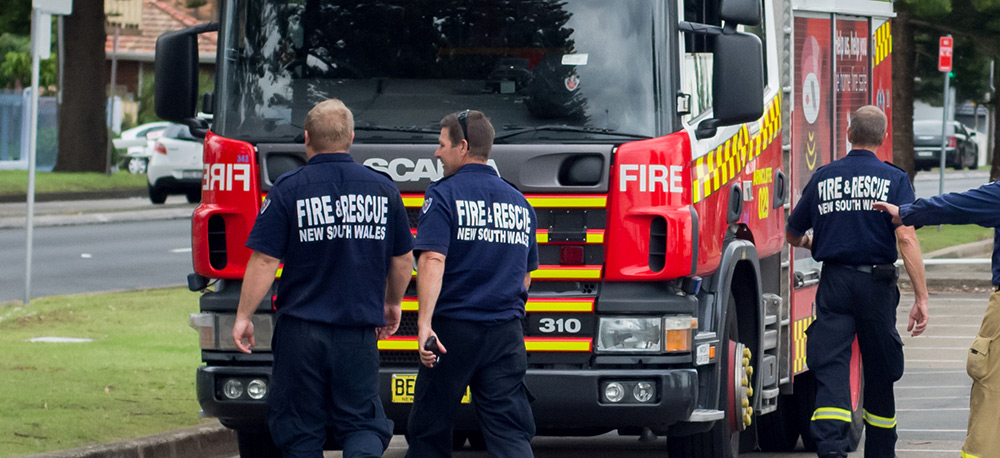
First responders carry a level of responsibility most people will never fully understand. Police officers, firefighters, paramedics, and emergency workers step into situations that are unpredictable, intense, and often traumatic. Over time, that exposure builds. It can affect sleep, mood, focus, and overall mental health.
Many first responders are now looking for treatment options that are effective, practical, and fit around demanding schedules. This is where Transcranial Magnetic Stimulation (TMS) is gaining attention. TMS benefits first responders by offering a different path for those who have not found relief with traditional approaches or want to avoid long-term medication reliance.
The Mental Health Challenges First Responders Face
First responders often deal with repeated exposure to trauma. Unlike a single traumatic event, cumulative stress can build quietly over months or years, turning into a serious mental health condition. It may show up as irritability, emotional numbness, poor concentration, or ongoing fatigue.
Conditions such as depression, anxiety, and post-traumatic stress disorder are common in these roles. Research consistently shows higher rates of PTSD and depression in first responders compared to the general population. Sleep disruption and shift work make recovery even harder.
There is also a strong culture of resilience in these professions. While that can be a strength, it can delay people from seeking help early. By the time support is accessed, symptoms are often more severe and harder to manage.
What Is TMS and How Does It Work?
TMS is a non-invasive treatment that uses magnetic pulses to stimulate specific areas of the brain involved in mood regulation. It targets regions that are often underactive in people with depression and certain trauma-related conditions.
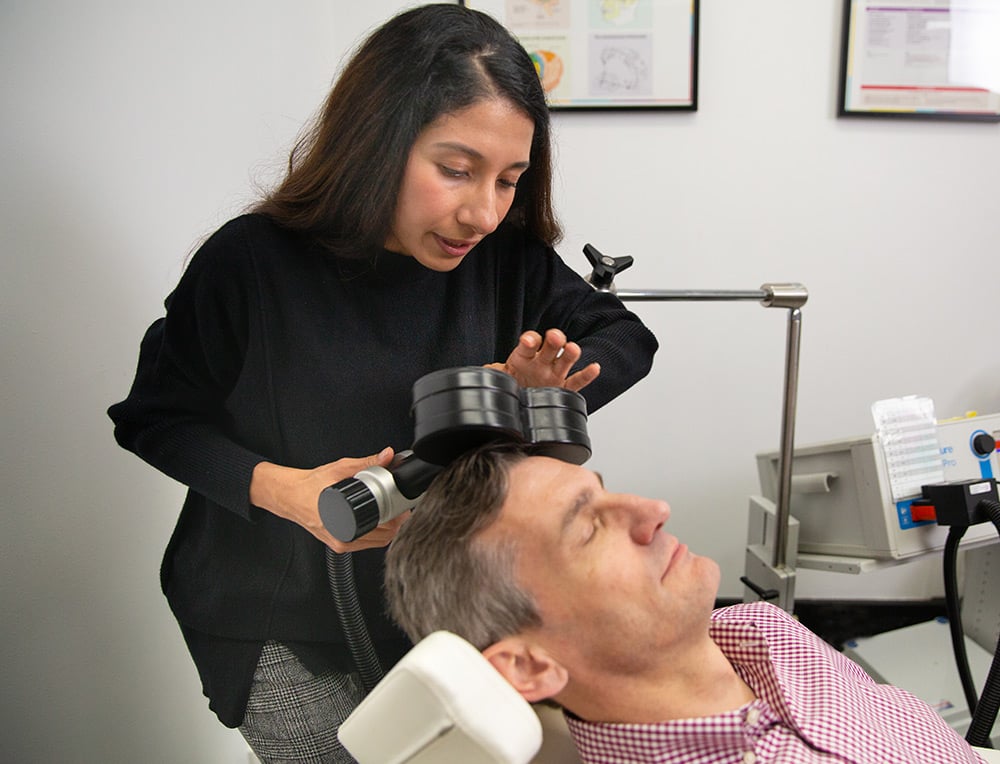
During treatment, a device is placed against the scalp. It delivers controlled magnetic pulses that activate neural pathways. Over time, this helps improve communication between different parts of the brain.
Sessions are usually done in a clinical setting and take around 20 to 40 minutes. Patients remain awake and can return to normal activities straight after treatment. There is no need for sedation or recovery time.
TMS has been widely studied and is supported by a growing body of research, particularly for treatment-resistant depression. It is also being used more frequently for PTSD and anxiety-related conditions.
Why TMS Is Used for First Responders
First responders often need treatments that are both effective and practical. TMS meets both criteria in ways that traditional approaches sometimes cannot. One key reason why TMS is used for first responders is that it does not rely on medication.
Many professionals in emergency roles are cautious about medications that may cause drowsiness, reduced alertness, or other side effects that could impact performance at work. TMS avoids these concerns. It works directly on brain activity without introducing chemicals into the body. This makes it an appealing option for those who want to maintain clarity and focus.
Another factor is consistency. First responders often work irregular hours. TMS sessions can be scheduled around shifts, making it easier to stay committed to a full course of treatment. There is also growing awareness within emergency services about the importance of early and effective mental health care. TMS is increasingly recognised as a reliable option when standard treatments have not delivered the desired results.
TMS Treatment for PTSD and Depression in First Responders
TMS treatment for PTSD and depression in first responders is gaining traction because it addresses core neurological patterns linked to these conditions. In depression, certain brain regions show reduced activity. TMS for depression helps stimulate these areas, which can lead to improved mood, better energy levels, and clearer thinking.
For PTSD, the goal is slightly different. TMS for PTSD can help regulate the brain’s response to stress and reduce hyperarousal. This may lead to fewer intrusive thoughts, improved emotional control, and better sleep.
Clinical studies have shown that many patients experience meaningful improvements after a full course of treatment. While results vary from person to person, TMS offers a structured, evidence-based approach that does not rely on trial-and-error medication changes.
TMS Benefits That Matter in High-Pressure Roles
When looking at TMS benefits, it is important to consider what actually matters in day-to-day life for a first responder. One of the most valued benefits is improved cognitive function. Many patients report better concentration, decision-making, and mental clarity. In roles where quick thinking is essential, this can make a significant difference.
Another key benefit is emotional regulation. TMS can help reduce the intensity of emotional responses, making it easier to manage stress during and after shifts. Sleep improvements are also commonly reported. Better sleep supports recovery, physical health, and overall resilience.
Importantly, TMS does not typically cause the side effects associated with some medications. There is no sedation, no weight gain, and no impact on alertness. This allows first responders to continue working without disruption.
Benefits of TMS for Firefighters and Paramedics
The benefits of TMS for firefighters and paramedics are particularly relevant given the nature of their work. Firefighters often deal with life-threatening situations, long shifts, and exposure to distressing scenes. Over time, this can lead to burnout or emotional exhaustion. TMS offers a way to reset brain activity and improve resilience without taking time away from operational duties.
Paramedics face similar challenges, often with added pressure from time-critical decision-making and unpredictable environments. TMS can help reduce anxiety levels and improve focus, which supports both performance and wellbeing. Both groups benefit from the fact that TMS fits into a structured routine. Sessions can be planned in advance, making it easier to stay consistent even with changing schedules.
TMS Therapy for First Responders' Mental Health
TMS therapy for first responders' mental health is not a standalone solution. It works best as part of a broader, personalised treatment plan. This may include psychological therapies such as cognitive behavioural therapy, lifestyle adjustments, and, in some cases, medication. The goal is to address both the biological and psychological aspects of mental health.
At a clinical level, proper assessment is essential. Not everyone will be a suitable candidate for TMS. A thorough evaluation helps determine whether it is the right option based on symptoms, history, and previous treatments. Ongoing monitoring is also important. Progress is tracked throughout the treatment course, and adjustments can be made if needed.
What to Expect From Treatment
Understanding what the process looks like can help reduce uncertainty. A typical course of TMS involves multiple sessions per week over several weeks. Each session is relatively short, and there is no downtime afterwards. Patients can drive themselves to and from appointments and return to work the same day.
Some people notice improvements within a few weeks, while others take longer. It is important to complete the full course of treatment to achieve the best results. Side effects are usually mild and may include temporary scalp discomfort or headaches. These tend to settle as treatment continues.
Addressing Barriers to Seeking Help
Despite the availability of effective treatments, many first responders still delay seeking help. Concerns about stigma, job security, or being perceived as weak can hold people back. Education plays a key role in changing this. Understanding that mental health conditions are common and treatable can encourage earlier intervention.
TMS provides an option that aligns with the needs of many first responders. It is structured, evidence-based, and designed to support recovery without interfering with work responsibilities.
The Role of Early Intervention
Early intervention can make a significant difference in outcomes. Addressing symptoms before they become severe improves the chances of recovery and reduces the impact on both personal and professional life. First responders are trained to act quickly in emergencies. Applying that same mindset to mental health can be life-changing.
Recognising early signs such as persistent low mood, irritability, sleep issues, or difficulty concentrating is the first step. Seeking professional support soon after can prevent conditions from worsening.
Supporting First Responders at Monarch Mental Health Group
At Monarch Mental Health Group, we understand the unique pressures faced by first responders. Our team provides comprehensive mental health assessments and personalised treatment plans under WorkCover and workers' compensation schemes designed to support symptom management and recovery.
We offer evidence-based treatments, including TMS, psychological therapies, and medication management where appropriate. Our psychiatrist-led team works closely with each patient to ensure care is tailored, practical, and aligned with their lifestyle.
With clinics across Australia, we make it easier to access high-quality care in a supportive and professional environment. If you or someone you know is struggling, reaching out is the first step. Contact Monarch Mental Health Group today to explore your treatment options and take control of your mental health.
FAQs
Why is TMS becoming more widely used among first responders?
TMS is becoming more widely used because it is non-invasive, does not involve medication, and usually allows people to return to normal activities after each session. It may be considered for depression or PTSD when symptoms have not improved enough with standard treatments.
Is TMS safe for first responders?
TMS is generally considered safe and well tolerated when delivered by trained clinicians following appropriate assessment. Side effects are usually mild and temporary, such as scalp discomfort or headache, although suitability should always be assessed individually.
How long does it take to see results from TMS?
Some people notice changes within the first few weeks, while others need a full course before improvement becomes clearer. Treatment usually involves multiple sessions over several weeks, and progress should be reviewed throughout to determine whether the approach is helping.
.png)
About The Author
Dr Ted Cassidy
Dr. Ted Cassidy is a psychiatrist and co-founder of Monarch Mental Health Group in Australia, which provides innovative treatments for depression, PTSD, and anxiety. Monarch Mental Health is recognized as Australia's first outpatient clinic offering assisted therapy and is the largest provider of outpatient magnetic stimulation therapy.