

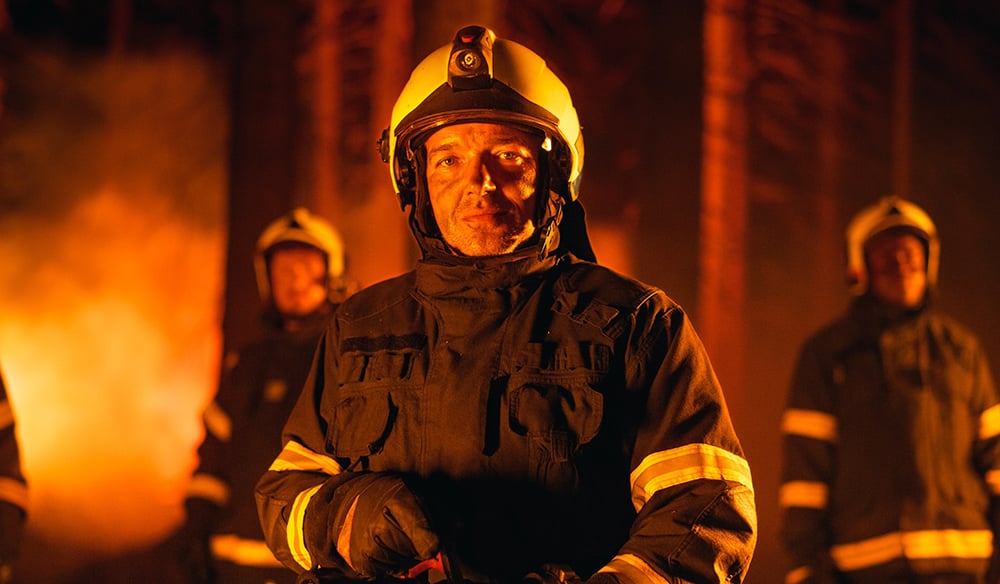
First responders stand at the front line of a crisis. Paramedics, police officers, firefighters and emergency service workers encounter situations that most people will never face. Their work demands calmness in chaos, precision under pressure and resilience in the face of human suffering. Yet behind this strength, many first responders quietly struggle with mental health challenges that build over time.
The Hidden Toll of High-Stress Professions
Research consistently shows that first responders are at increased risk for a range of mental health conditions. Beyond Blue’s “Answering the call – National Mental Health and Wellbeing Study of Police and Emergency Services” study found that one in three police and emergency services employees experienced high or very high psychological distress, compared to about one in eight Australian adults. Long shifts, exposure to trauma and the pressure to remain composed in emergencies can leave lasting emotional scars.
Many first responders describe the stress as cumulative rather than sudden. A single traumatic event might trigger symptoms, but often it is the daily exposure to distressing situations that leads to burnout, anxiety, depression, or post-traumatic stress disorder (PTSD).
PTSD in Paramedics and Emergency Service Workers
Among first responders, paramedics face a particularly high risk of PTSD. Every shift brings unpredictable, often life-or-death situations. They encounter patients in pain, sudden loss and critical injuries with little time to process what they witness.
Studies show that PTSD in paramedics can affect up to 20% of the workforce, far above the population average. Common symptoms include flashbacks, nightmares, hypervigilance and emotional detachment. Over time, untreated PTSD can interfere with relationships, sleep and job performance, leading to isolation or substance misuse as coping mechanisms.
First Responder Mental Health Signs and Symptoms
Recognising early signs of psychological distress can prevent long-term complications. The symptoms of first responder mental health issues may vary, but some of the most common include:
- Persistent fatigue or difficulty sleeping
- Sudden irritability or mood swings
- Emotional numbness or detachment from others
- Intrusive thoughts or nightmares about traumatic events
- Avoidance of reminders related to work trauma
- Difficulty concentrating or remembering details
- Substance use to cope with stress or sleep problems
If these signs persist for more than a few weeks, it is important to seek professional help. Early intervention can make recovery faster and more effective.
Dealing with Depression Among First Responders
Depression often develops gradually among first responders. The combination of long shifts, sleep disruption and repeated exposure to trauma can erode emotional stability. Over time, these experiences may create feelings of hopelessness, guilt, or self-blame.
For some, depression is masked by stoicism. Many first responders are trained to suppress emotion, to “push through” and stay functional. This approach may work temporarily, but can lead to deeper emotional strain over time.
Specialised therapy, medication and non-invasive treatments like Repetitive Transcranial Magnetic Stimulation (rTMS) can be highly effective in restoring balance. Monarch Mental Health Group’s psychiatrists tailor treatment to the individual, combining advanced therapies with compassionate psychological care to help first responders regain confidence and stability.
Anxiety and Burnout
High-pressure roles increase the likelihood of chronic anxiety and burnout. Constant exposure to emergencies can trigger physical and emotional exhaustion, making it difficult to recover between shifts. Burnout often presents as loss of motivation, cynicism, or a sense of ineffectiveness at work.
A study by the Black Dog Institute found that first responders frequently delay seeking help until symptoms become severe. Prevention and early support are critical. Stress management techniques, regular supervision and therapy can protect against long-term burnout.
First Responder PTSD Prevention and Resilience Building
Prevention is as important as treatment. Evidence-based strategies can help first responders maintain emotional health throughout their careers. Regular debriefing sessions, peer support programs and access to professional counselling can reduce the impact of trauma exposure.
Building resilience involves developing coping mechanisms that buffer stress. Mindfulness-based approaches, physical fitness and social connection have been shown to improve emotional regulation. At Monarch Mental Health Group, our clinical team works with first responders to strengthen resilience through structured programs and personalised therapy.
The Role of Peer and Organisational Support
Culture plays a major role in how mental health is addressed within emergency services. Historically, stigma and fear of judgment have prevented many first responders from seeking help. However, awareness is improving. Many agencies now promote mental health literacy and encourage open discussion.
Peer support programs allow first responders to connect with colleagues who understand their experiences. When combined with professional therapy, these networks create a strong foundation for recovery and ongoing wellbeing.
How Treatment Helps
Modern treatment for first responder mental health focuses on recovery, not just symptom management. Psychotherapy, trauma-focused cognitive behavioural therapy (CBT), Eye Movement Desensitisation and Reprocessing (EMDR) and TMS can all contribute to recovery from PTSD, anxiety and depression.
Monarch Mental Health Group provides comprehensive care that includes psychiatric review, medication management and innovative treatments such as TMS. Our goal is to restore quality of life and help first responders return to work or daily activities with renewed strength and focus.

Getting Help Is a Sign of Strength
It takes courage to acknowledge the emotional cost of this work. Seeking help is not a weakness but a proactive step towards recovery. With professional treatment and supportive care, most first responders make significant progress, regaining emotional stability and confidence in their roles.
If you or someone you know is experiencing symptoms of PTSD, depression, or anxiety, contact Monarch Mental Health Group. With clinics across New South Wales, Queensland and Victoria, our psychiatrist-led team provides tailored treatments to help first responders rebuild resilience and mental wellbeing.
FAQs
What are the early signs of first responder mental health issues?
Early signs may include insomnia, emotional withdrawal, irritability, flashbacks, or increased alcohol use. Recognising these mental health symptoms early can prevent long-term complications. Monarch Mental Health Group offers thorough psychological assessments, psychiatric reviews and targeted therapies to support first responders. Our clinics across Sydney, Melbourne and Brisbane provide expert guidance and proven treatments. If you notice these signs, contact Monarch today to arrange an assessment and begin tailored treatment.
How can depression affect first responders at work?
Depression can impact concentration, motivation and decision-making, making demanding roles even harder. First responders may feel guilt, exhaustion, or disconnection from others. Monarch Mental Health Group provides therapy, medication optimisation and non-invasive treatments such as TMS for depressive symptoms. Our psychiatrist-led team works with first responders across Australia to improve mood and restore balance. Schedule a consultation with Monarch to discuss personalised treatment options.
Can mental health struggles for paramedics be prevented?
While it may not be possible to prevent all mental health challenges, early intervention, resilience training, and access to ongoing psychological support can greatly reduce the risk. At Monarch Mental Health Group, we help paramedics and first responders build coping skills, manage stress and strengthen emotional resilience through therapy, education and preventive care. Visit one of our clinics in Sydney, Melbourne, or Brisbane to learn how we treat mental health challenges and support long-term wellbeing.
Are first responders covered by WorkCover for mental health treatment?
Yes, many first responders are eligible for WorkCover support when mental health conditions such as PTSD, anxiety, or depression arise from workplace exposure. Monarch Mental Health Group works closely with WorkCover and insurance providers to ensure treatment access with minimal stress. Our clinics in Sydney, Melbourne and Brisbane offer assessments, reports and tailored therapy to support recovery. Contact our team to learn how we can assist with WorkCover-related care.
.png)
About The Author
Dr Ted Cassidy
Dr. Ted Cassidy is a psychiatrist and co-founder of Monarch Mental Health Group in Australia, which provides innovative treatments for depression, PTSD, and anxiety. Monarch Mental Health is recognized as Australia's first outpatient clinic offering assisted therapy and is the largest provider of outpatient magnetic stimulation therapy.