


Firefighters, paramedics, police officers, emergency dispatchers and other frontline workers are exposed to situations most people will never witness. They step into danger, chaos and human suffering as part of their daily work.
While many cope well for years, research consistently shows that post-traumatic stress disorder occurs more often in these professions than in most others. Understanding why first responder PTSD happens is essential for prevention, early care and recovery.
Repeated exposure to traumatic events
The most obvious factor is frequency. First responders do not encounter trauma once or twice in a career. They experience it repeatedly, sometimes several times in a single shift. Serious injuries, sudden deaths, violence, child harm and large-scale accidents are not rare events in this line of work.
Each incident may be manageable on its own. Over time, the nervous system can become overloaded. Trauma does not always come from one catastrophic moment. It often develops through accumulation, where the brain never fully returns to baseline before the next incident occurs. This ongoing exposure increases the likelihood of developing first responder PTSD compared to roles where trauma is infrequent or indirect.
The unpredictability of emergencies
Unlike many high-stress jobs, emergency work is unpredictable. First responders do not know what they will face when a call comes in. This constant state of readiness keeps the body in heightened alert.
The brain adapts by staying vigilant, even off duty. Over months or years, this can disrupt sleep, emotional regulation and stress recovery. When the nervous system remains on high alert for too long, it becomes harder to process distressing experiences properly. That ongoing physiological strain plays a major role in trauma-related conditions.
Responsibility for life-and-death outcomes
Many first responders carry a deep sense of responsibility for the outcomes of emergencies. Even when they follow protocol and act skillfully, the result is not always positive. Death, permanent injury, or harm can still occur.
This can lead to intense self-reflection and doubt. People replay events in their minds, questioning decisions and timing. Over time, this pattern can fuel guilt and moral distress, both of which are strongly linked to trauma disorders. The pressure of knowing that small decisions can have enormous consequences adds a layer of emotional weight not found in most professions.
Exposure to human suffering and grief
First responders are often present during the worst moments of someone else’s life. They witness raw grief, fear and shock up close. Families may be screaming, pleading, or collapsing in front of them.
Even when responders appear calm on the outside, these moments leave an imprint. The human brain is wired for empathy. Repeated exposure to intense emotional pain can overwhelm coping mechanisms, especially when there is little time to process one incident before moving on to the next call.
Emergency services cultural expectations
Emergency services often value toughness, reliability and composure under pressure. These traits are essential for the job. However, they can also create barriers to speaking openly about distress.
In some settings, admitting psychological strain may still feel risky. Concerns about being judged, losing trust, or affecting career progression can delay help-seeking. When symptoms are ignored or minimised, they often worsen. This cultural context is a significant factor in the higher rates of trauma-related conditions among emergency workers.
Difficulty switching off after work
Many first responders struggle to mentally leave work behind. The brain becomes used to scanning for threats, even in safe environments. Loud noises, crowds, or reminders of past incidents can trigger strong reactions.
Over time, this can lead to disrupted sleep, irritability, emotional numbing, or avoidance of certain places or situations. These reactions are common ptsd symptoms in first responders, yet they are often mistaken for burnout or general stress. Without proper assessment, trauma can remain unrecognised for years.
Limited recovery time between incidents
Recovery is not just about rest days. It involves emotional processing and nervous system regulation. In many emergency roles, staffing shortages and long shifts reduce opportunities for genuine recovery.
Back-to-back traumatic calls, overtime and night shifts place additional strain on both body and mind. When recovery time is insufficient, stress hormones remain elevated. This interferes with memory processing and emotional regulation, increasing vulnerability to trauma-related disorders.
Moral injury and ethical stress
Some experiences do not fit neatly into traditional definitions of trauma. Situations where responders feel powerless, constrained by policy, or forced to make choices that conflict with personal values can cause moral injury.
Examples include being unable to save someone due to safety rules, resource limits, or arriving too late. These experiences can deeply affect identity and worldview. Moral injury often coexists with trauma and contributes to the complexity of first responders' mental health challenges.
The impact of cumulative stress outside of work
First responders are not immune to life stress outside their roles. Family responsibilities, financial pressures and personal loss still exist. When combined with occupational trauma, overall resilience can be stretched thin.
Shift work can strain relationships and disrupt routines that normally help regulate stress. Social isolation may increase, particularly if friends or family struggle to understand the realities of the job. This reduced support can heighten the impact of traumatic exposure.
Why early intervention matters
Research shows that early identification and care significantly improve outcomes. Trauma responses are not a sign of weakness. They reflect a nervous system that has been pushed beyond its capacity for too long.
Evidence-based approaches such as trauma-focused therapy, structured psychological support and neuromodulation techniques can help the brain process distress more effectively. Access to appropriate mental health support for first responders, like TMS for PTSD, improves recovery rates, reduces long-term disability and helps individuals remain engaged in work and life.
Moving toward healthier systems of care
Addressing trauma in emergency services requires more than individual resilience training. It involves organisational change, education and accessible care pathways. Normalising psychological check-ins, offering confidential services and supporting early intervention all make a measurable difference.
First responders give a great deal to the communities they serve. Recognising the unique pressures of their work and responding with informed, compassionate care is not optional. It is essential for their long-term wellbeing and for the sustainability of emergency services as a whole.
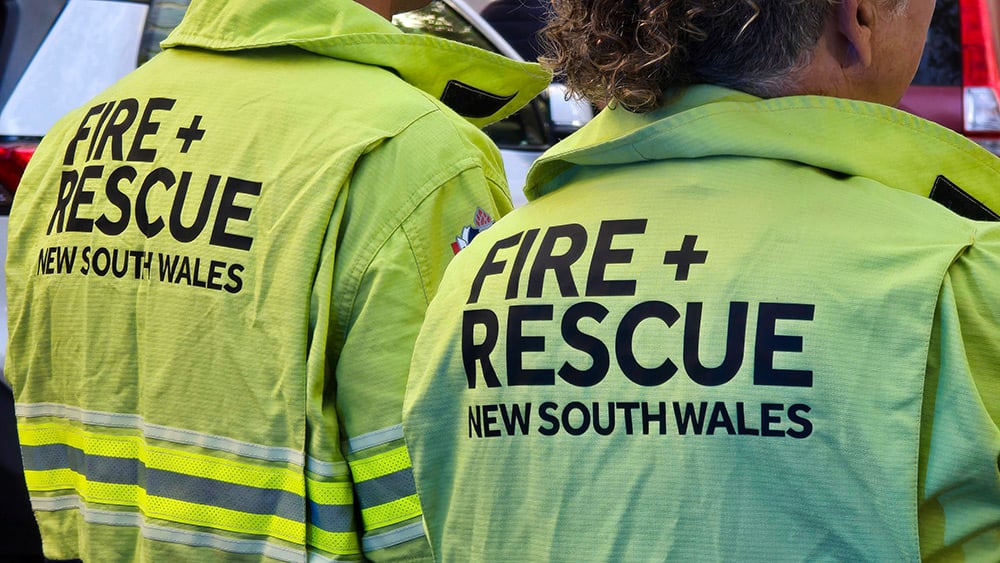
Supporting first responders at Monarch Mental Health Clinics in Australia
First responders need mental health care that reflects the realities of their work. Monarch Mental Health Group offers psychiatrist-led assessment and treatment grounded in trauma research and clinical experience with emergency services. Our approach is structured, respectful and practical, supporting recovery while recognising the professional identity and pressures unique to first responders.
Care is available across our Australia-wide clinic network. Contact our team today to find out more.
FAQs
Can being a paramedic cause PTSD?
Yes, paramedics face frequent exposure to medical emergencies, sudden deaths and distressed families. The combination of repeated trauma, time pressure and limited emotional processing time can contribute to PTSD. Symptoms may develop gradually rather than after one event.
What mental health support options are available for first responders?
Support options include trauma-focused psychological therapy, psychiatric assessment, medication review and neuromodulation treatments such as TMS where appropriate. A coordinated care approach improves outcomes.
What are early signs of PTSD in first responders?
Early signs may include sleep disturbance, irritability, emotional numbness, intrusive memories, or avoidance of reminders linked to work incidents. These symptoms are often mistaken for stress or burnout. Early assessment can prevent worsening symptoms.
Can PTSD develop years after leaving emergency services?
Yes, first responder PTSD symptoms can emerge months or even years after exposure, especially when work stress decreases, and the brain has space to process past events. Retirement or role changes can trigger symptoms.
.png)
About The Author
Dr Ted Cassidy
Dr. Ted Cassidy is a psychiatrist and co-founder of Monarch Mental Health Group in Australia, which provides innovative treatments for depression, PTSD, and anxiety. Monarch Mental Health is recognized as Australia's first outpatient clinic offering assisted therapy and is the largest provider of outpatient magnetic stimulation therapy.