

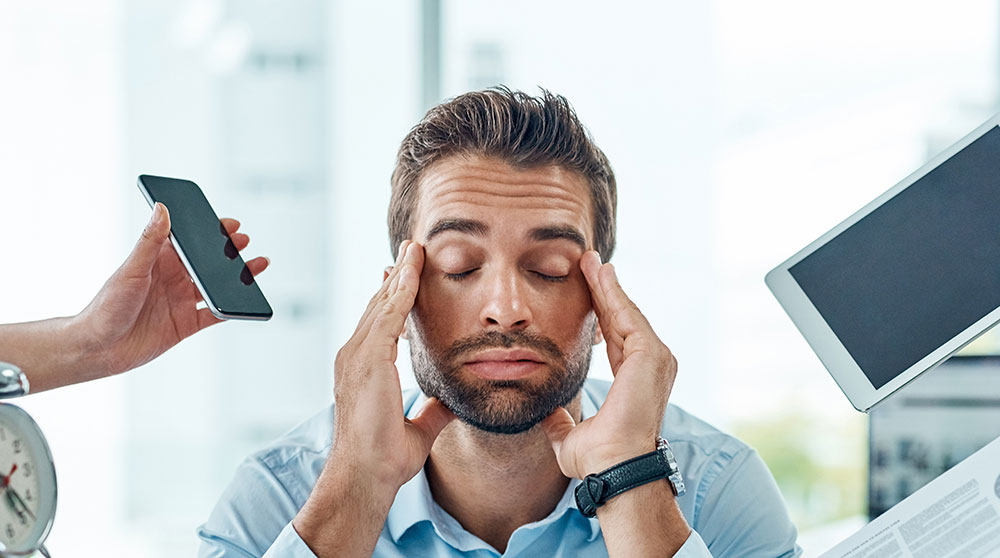
Workplace stress can affect focus, mood, sleep, physical health and overall quality of life. While some pressure at work is normal, ongoing stress can become difficult to manage when expectations feel unrealistic, recovery time is limited, or support is lacking. Over time, this can contribute to burnout, anxiety, low mood and other mental health concerns, particularly when people feel they have to keep pushing through without making any changes.
Stress management in the workplace does not always require dramatic action. Practical strategies such as setting clearer boundaries, organising tasks properly, taking meaningful breaks, moving regularly and communicating earlier can all help reduce the impact of workplace pressure. When stress becomes persistent or starts affecting day-to-day function, it may also be important to seek professional support and understand whether work-related mental health pathways may apply.
Understanding Workplace Stress
Workplace stress occurs when the demands of your role feel greater than your ability to manage them. This may be linked to heavy workloads, tight deadlines, unclear expectations, lack of control, poor management, difficult workplace relationships or concerns about job security. The more prolonged or unpredictable these pressures become, the harder it can be to recover between workdays.
The effects of workplace stress can go beyond feeling busy or overwhelmed. Ongoing stress can affect sleep, concentration, mood, immune function and physical wellbeing. It may also contribute to anxiety, depression or burnout when it continues without enough support, recovery or practical changes to reduce the pressure.
Not all stress is harmful. Short periods of pressure can sometimes improve focus, motivation and performance, especially when there is a clear goal and enough time to recover afterwards. The problem begins when stress becomes constant, unmanaged or out of proportion to the resources available, turning from useful motivation into harmful strain.
Practical Stress Management Strategies for Employees
Effective stress management starts with realistic actions that can be repeated consistently. These strategies are not about pretending the workplace is perfect or placing all responsibility on the individual. They are practical steps that may help reduce pressure, improve focus and protect mental and physical health, even when the work environment remains demanding.
Establish Clear Boundaries
Setting boundaries is one of the most important workplace stress management strategies, especially for people who find it difficult to switch off. This may include defining when work starts and finishes, protecting personal time and reducing unnecessary work contact outside agreed hours. For people working from home, boundaries can be even more important because professional and personal spaces often overlap.
It can help to set specific work hours, avoid checking emails outside those times where possible and communicate your availability clearly to colleagues. If a request comes through outside work hours, it may be useful to clarify whether it is genuinely urgent or whether it can wait. Over time, consistent boundaries help prevent constant availability from becoming the expected standard.
Prioritise and Organise Tasks Effectively
A heavy workload can feel much more stressful when there is no clear order or structure. When every task feels equally urgent, it becomes harder to know where to start, which can lead to procrastination, anxiety and a constant sense of being behind. Organising work more deliberately can reduce that pressure and make the day feel more manageable.
A simple approach is to identify the three most important tasks for the day and complete those before getting pulled into lower-priority work. Larger projects can also be broken into smaller milestones so progress feels clearer. This creates a more manageable rhythm and helps reduce the stress that comes from staring at one large, undefined task.
Take Regular Breaks
Regular breaks are not a weakness or a waste of time. They help maintain concentration, creativity and emotional regulation, especially during demanding workdays. Working continuously without recovery can increase mistakes, reduce performance and make stress feel harder to manage, even when you are technically spending more hours at your desk.
A structured method, such as the Pomodoro Technique, can help if breaks do not come naturally. This involves working in focused blocks, followed by short pauses, with a longer break after several cycles. During breaks, it is important to genuinely disconnect by stepping away from the desk, stretching, walking, looking away from the screen or doing a short breathing exercise.
Practise Simple Stress Management Techniques
Short stress management techniques can be useful when pressure builds during the workday. These strategies do not require special equipment and can often be done discreetly at a desk, in a meeting room or between tasks. They are particularly helpful when stress is showing up physically through shallow breathing, jaw tension, tight shoulders or restlessness.
Deep breathing can help activate the body’s calming response. When stressed, breathing often becomes shallow and fast, which can reinforce tension. Slowing the breath deliberately, such as breathing in for four counts and exhaling slowly, can help reduce the intensity of stress within a few minutes. Progressive muscle relaxation may also help by gently tensing and releasing different muscle groups to reduce physical tension.
Move Your Body
Physical activity is one of the most effective ways to manage workplace stress. Movement helps reduce stress hormones, support mood, improve sleep and build resilience against the physical effects of ongoing pressure. This does not have to mean doing a full workout during the workday; small amounts of movement can still make a meaningful difference.
Simple changes can help, such as standing during calls, walking to speak with a colleague, using stairs where possible or stretching between focused work periods. For people working from home, a short walk, light stretching or a brief yoga sequence can help break up the day. Lunchtime walks can be particularly useful because they create a proper mental reset before returning to work.
Develop Healthy Coping Habits
What happens outside work can strongly influence how well you cope during work hours. Healthy routines build resilience, while unhealthy coping strategies may provide short-term relief but make stress harder to manage over time. Sleep is one of the most important foundations, as poor sleep makes it harder to regulate emotions, concentrate and respond calmly under pressure.
Social connection also matters. Speaking with trusted friends, family members, or colleagues can help you process workplace frustrations rather than carrying them alone. It can also help to be mindful of alcohol, excessive caffeine and constant screen use, as these can interfere with sleep, anxiety levels and the body’s ability to recover from stress.
Communicate Effectively
Many workplace stresses become worse because expectations are unclear or concerns are left unspoken. Clear communication can prevent small issues from building into larger sources of pressure. It may help to clarify priorities, deadlines and success criteria with your manager so you are not trying to treat every task as equally urgent.
Difficult issues should also be addressed early, where possible. If a colleague’s behaviour is affecting your work, or you need support with a task, a respectful conversation can often prevent resentment from building. Learning to say no appropriately is also important, particularly when taking on more work would compromise quality, health or existing commitments.
Workplace Mental Health Tips for Broader Support
Individual strategies are important, but workplace culture also plays a major role in stress levels. Employers, managers and team leaders can help reduce stress by creating environments where workloads are realistic, communication is clear, and people feel safe raising concerns. Without that broader support, employees may feel pressured to manage an unsustainable situation alone.
Encouraging proper breaks, respecting time away from work and modelling healthy boundaries can make a noticeable difference. When leaders send late-night emails, skip lunch or reward overwork, it becomes harder for employees to manage stress in a sustainable way. Workload should also be reviewed when staff are regularly working excessive hours, skipping breaks or struggling to keep up.
Access to mental health support is also important. This may include employee assistance programmes, psychology services, workplace wellbeing initiatives or appropriate clinical care where stress has started to affect mental health. In some cases, where symptoms are clearly linked to workplace factors, employees may also need guidance about work-related mental health claims or WorkCover pathways.
Making Workplace Stress More Manageable
Stress management in the workplace is not about pretending pressure does not exist. It is about recognising when stress is becoming harmful and using practical strategies to reduce its impact before it affects your health, performance and relationships. Small changes can make a meaningful difference when they are applied consistently.
Clearer boundaries, better task organisation, regular breaks, movement, healthy routines and more effective communication can all help reduce daily strain. If stress continues despite these changes, professional support may be needed to understand what is happening and what type of help is most appropriate.
When to Get Professional Support for Workplace Stress or Burnout
Personal stress management strategies can help, but they are not always enough on their own. Professional support may be needed if workplace stress continues for several weeks despite consistent changes, or if symptoms such as anxiety, low mood, poor concentration, irritability, fatigue or physical tension are starting to affect daily life.
It is also important to seek help if sleep problems persist, your physical health is declining, you feel unable to cope, or you are relying on unhealthy coping strategies to get through the day. If you are having thoughts of self-harm or feel at risk, seek urgent support immediately through emergency services, a crisis helpline or a trusted healthcare professional.
Psychiatrist-led care may help when workplace stress, burnout, anxiety or depression require more structured assessment and treatment. A GP referral can be a useful starting point, especially if symptoms are affecting your ability to work, function or recover between periods of stress.
FAQs
Does my health insurance or WorkCover cover mental health treatment for workplace stress?
Private health insurance may cover some psychology or psychiatry services depending on your policy, while Medicare rebates may be available with a GP referral and mental health treatment plan. WorkCover may cover treatment if the condition is assessed as work-related and meets the relevant criteria.
What’s the difference between normal work stress and workplace burnout?
Normal work stress is usually temporary and may improve with rest, boundaries or workload changes. Burnout develops after prolonged, unmanaged stress and can involve emotional exhaustion, detachment, reduced motivation, and a drop in performance that rest alone may not fully resolve.
Can workplace stress cause physical health problems?
Yes, ongoing workplace stress can contribute to physical symptoms such as headaches, muscle tension, digestive issues, fatigue, poor sleep and lowered immunity. Persistent or worsening symptoms should be assessed by a healthcare professional to rule out other causes.
How can I manage stress when I work from home?
Managing stress while working from home starts with clear boundaries, including set work hours, a defined workspace and proper breaks away from your desk. Regular movement, social contact and time outside the house can also help reduce isolation and support recovery.
.png)
About The Author
Dr Ted Cassidy
Dr. Ted Cassidy is a psychiatrist and co-founder of Monarch Mental Health Group in Australia, which provides innovative treatments for depression, PTSD, and anxiety. Monarch Mental Health is recognized as Australia's first outpatient clinic offering assisted therapy and is the largest provider of outpatient magnetic stimulation therapy.