


Work can be a source of purpose, connection, and stability. It can also become a serious source of pressure. Deadlines stack up, expectations rise, and boundaries blur. Over time, what starts as manageable stress can shift into a deeper and more serious workplace mental health condition.
Understanding how this transition happens is critical. It helps individuals recognise early warning signs, and it helps workplaces take meaningful steps to protect their employees’ mental health.
The Difference Between Stress and Depression
Stress is a natural response to pressure. It often shows up during busy periods, major projects, or organisational change. In short bursts, stress can even improve focus and performance.
Depression is different. It affects mood, thinking, energy levels, and behaviour over a longer period. It does not lift with rest or a lighter workload. It begins to affect how someone functions day to day.
The challenge is that the line between the two is not always obvious. Chronic stress can slowly wear down emotional resilience. Without the right support, it can lead to depression in the workplace.
How Workplace Stress Builds Over Time
Most people do not move from stress to depression overnight. It is usually a gradual process shaped by several factors.
Ongoing High Demands
Heavy workloads, unrealistic deadlines, and constant pressure can leave employees feeling like they are always behind. When there is no opportunity to recover, the nervous system stays in a prolonged state of activation. This ongoing strain contributes to fatigue, irritability, and reduced concentration. Over time, it can lead to emotional exhaustion.
Lack of Control
When employees feel they have little control over their tasks, schedules, or decisions, stress levels rise. Autonomy plays a key role in workplace mental health. Without it, even small challenges can feel overwhelming.
Poor Support Systems
Support from managers and colleagues matters more than many organisations realise. A lack of feedback, unclear expectations, or limited communication can create uncertainty and isolation. This can increase the risk of depression in the workplace, particularly for those already under pressure.
Blurred Work-Life Boundaries
With remote and hybrid work, the separation between work and personal life has become less clear. Many people continue working outside standard hours, often without realising the cumulative impact. Without proper rest and recovery, stress becomes constant rather than temporary.
Workplace Culture and Psychological Safety
A culture where employees feel unable to speak up, ask for help, or admit they are struggling can accelerate the shift from stress to depression. Psychological safety is not a luxury. It is a protective factor.
Early Signs That Stress Is Becoming Something More
Recognising early changes can make a significant difference. These signs are often subtle at first.
-
Persistent fatigue, even after rest
-
Reduced motivation or interest in work
-
Difficulty concentrating or making decisions
-
Increased irritability or emotional sensitivity
-
Withdrawal from colleagues or social interactions
-
Changes in sleep patterns or appetite
At this stage, many people continue to push through. They may assume they are just tired or need a break. Without intervention, symptoms can intensify.
When Stress Becomes Clinical Depression
Clinical depression develops when these early symptoms become more persistent and more severe.
People may begin to experience:
-
Ongoing low mood or feelings of emptiness
-
Loss of interest in activities they once enjoyed
-
Significant changes in sleep and energy levels
-
Feelings of worthlessness or excessive guilt
-
Difficulty functioning at work or at home
At this point, managing workplace stress alone is often not enough. Professional support becomes important. Research consistently shows that prolonged exposure to high job strain, low control, and poor support increases the likelihood of developing depression.
These factors are central to many workplace mental health challenges seen today, which is one of the reasons mental health conditions are covered in Workers Compensation.
The Role of the Nervous System
Chronic workplace stress affects more than mood. It impacts the body’s stress response system. When someone is under constant pressure, the nervous system remains in a heightened state. Stress hormones like cortisol stay elevated.
Over time, this disrupts sleep, reduces energy, and affects emotional regulation. This biological response explains why stress can feel so difficult to switch off. It also helps explain how ongoing pressure can contribute to depression in the workplace.
Why Early Intervention Matters
Addressing stress early leads to better outcomes. Waiting until symptoms become severe makes recovery more complex and time-consuming.
Early intervention can include:
-
Adjusting workload or expectations
-
Accessing mental health support at work
-
Speaking with a manager or HR team
-
Seeking professional assessment and care
The earlier these steps are taken, the more likely it is that symptoms can be managed before they progress.
Practical Strategies for Managing Workplace Stress
While systemic changes are essential, individuals can also take steps to reduce the impact of stress.
Set Clear Boundaries
Define working hours and stick to them where possible. Avoid checking emails or messages outside those times. Small changes can create meaningful separation between work and personal life.
Break Tasks Into Manageable Steps
Large workloads can feel overwhelming. Breaking tasks into smaller steps improves clarity and reduces cognitive load.
Prioritise Recovery
Recovery is not just time away from work. It includes activities that allow the mind and body to reset, such as exercise, time outdoors, or social connection.
Monitor Your Energy Levels
Pay attention to when you feel most focused or fatigued. Plan demanding tasks during high-energy periods and allow time for breaks.
Seek Support Early
Talking to someone early can prevent stress from building. This could be a colleague, manager, or mental health professional.
The Role of Employers in Preventing Depression
Employers play a critical role in shaping workplace mental health outcomes. Prevention requires more than awareness campaigns.
Build Effective Employee Mental Health Programs
Well-designed employee mental health programs go beyond surface-level initiatives. They provide access to assessments, evidence-based treatments, and ongoing support. Programs should be easy to access, confidential, and tailored to the needs of the workforce.
Promote Open Communication
Leaders set the tone. When managers encourage open conversations about mental health, employees are more likely to seek help early.
Provide Training for Managers
Managers are often the first point of contact. Training them to recognise signs of stress and respond appropriately can improve outcomes significantly.
Design Sustainable Workloads
Workloads should be realistic and aligned with available resources. Regular reviews can help identify pressure points before they escalate.
Encourage Flexibility
Flexible working arrangements can reduce stress, particularly for those balancing work with personal responsibilities.
Creating a Culture That Supports Mental Health
Culture influences behaviour. A workplace that values wellbeing will see better engagement, lower turnover, and improved performance.
Key elements include:
-
Psychological safety
-
Clear expectations
-
Fair treatment and respect
-
Access to mental health support at work
When these elements are present, employees are more likely to speak up early and access help.
When to Get Professional Help
If symptoms persist for more than a couple of weeks or begin to affect daily functioning, it is important to seek professional support. A comprehensive assessment can help identify whether someone is experiencing depression, anxiety, or another condition, as well as assess for WorkCover claims.
From there, a tailored treatment plan can be developed. This may include psychological therapies, medication review, or advanced treatments, depending on individual needs.
Supporting Workplace Mental Health With Evidence-Based Care
Workplace stress does not have to lead to long-term mental health conditions. With the right support, people can recover and regain a sense of balance. Monarch Mental Health Group provides comprehensive assessments and personalised treatment plans for individuals experiencing depression in the workplace and other mental health challenges.
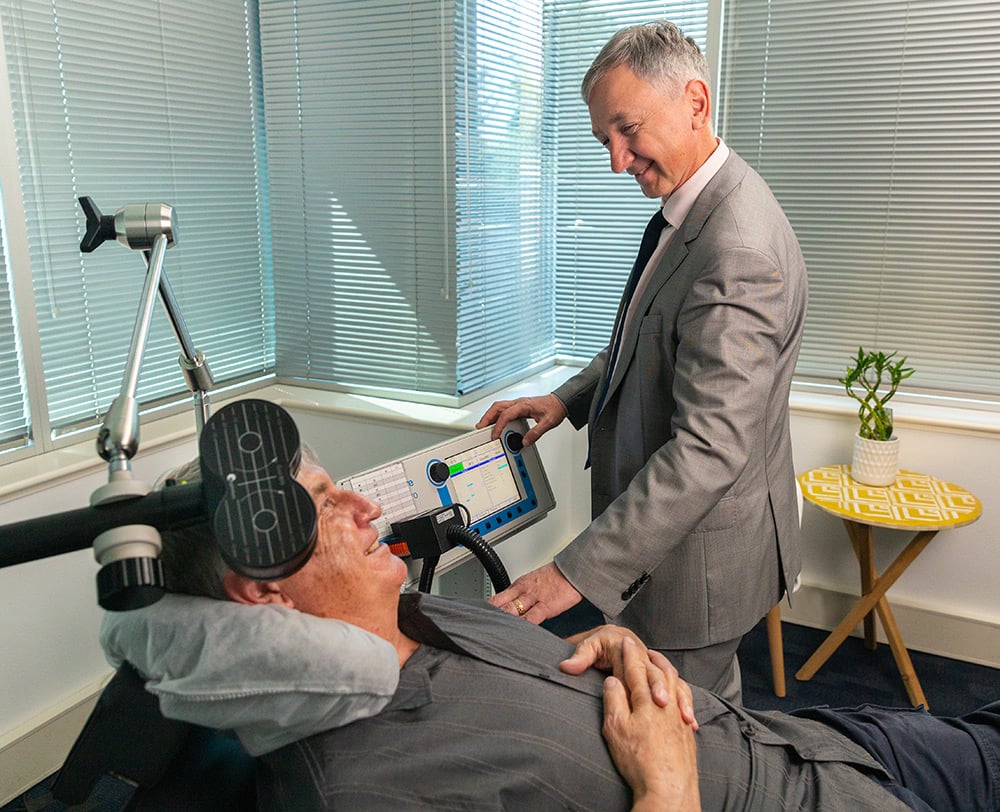
Services include evidence-based therapies, medication reviews, and innovative treatments such as TMS therapy, designed to support recovery when standard approaches have not been effective. Clinics are located across New South Wales, Queensland, and Victoria, making access to care straightforward.
If workplace stress is starting to affect your wellbeing or performance, seeking support early can make a meaningful difference. Contact Monarch Mental Health Group to take the next step towards recovery.
FAQs
Can workplace stress cause depression?
Yes, ongoing workplace stress can contribute to depression, particularly when pressure is persistent, and there is limited time to recover. Factors such as long hours, high workload, poor support, bullying, job insecurity or ongoing conflict may increase the risk.
What are the common effects of workplace stress on individuals?
Workplace stress can affect mood, sleep, concentration, motivation and energy levels. Some people may also notice physical symptoms such as headaches, muscle tension, digestive issues or fatigue, as well as changes in work performance or withdrawal from colleagues.
What should you do if your workplace is affecting your mental health?
Start by recognising the symptoms and documenting what is happening, including workload pressures, incidents or changes in how you are coping. It may also help to speak with a trusted person, discuss reasonable adjustments with your employer where appropriate, and seek professional support if symptoms persist or begin affecting daily life.
.png)
About The Author
Dr Ted Cassidy
Dr. Ted Cassidy is a psychiatrist and co-founder of Monarch Mental Health Group in Australia, which provides innovative treatments for depression, PTSD, and anxiety. Monarch Mental Health is recognized as Australia's first outpatient clinic offering assisted therapy and is the largest provider of outpatient magnetic stimulation therapy.