


Sleep problems and mental health struggles often go hand in hand, creating a cycle that can feel impossible to break. When you lie awake at three in the morning, worrying about tomorrow's responsibilities, or drag yourself through the day after another restless night, you're experiencing firsthand how deeply sleep and mental health influence each other.
Understanding this connection matters because improving one can dramatically improve the other. Research continues to reveal just how vital quality sleep is for our psychological well-being, and why addressing sleep issues should be a priority in any mental health treatment plan.
How Sleep Affects Mental Health
The relationship between sleep and mental health works both ways. Poor sleep can trigger or worsen mental health conditions, while mental health struggles often disrupt normal sleep patterns. This bidirectional connection means that addressing sleep problems can become a powerful tool for improving overall mental wellness.
During sleep, your brain performs essential maintenance work. It processes emotions, consolidates memories, and clears out toxins that accumulate throughout the day. When sleep is disrupted or insufficient, these crucial processes don't happen properly. The result shows up in your mood, decision-making abilities, and emotional resilience.
Studies have demonstrated that people who consistently sleep fewer than six hours per night are significantly more likely to experience symptoms of depression and anxiety. The impact goes beyond just feeling tired. Sleep deprivation affects the prefrontal cortex, the brain region responsible for emotional regulation and rational thinking. This explains why everything seems more overwhelming after a poor night's sleep.
The connection between sleep and mental health becomes even clearer when looking at specific conditions. Around 75% of people with depression experience insomnia symptoms, whilst those with anxiety disorders frequently report difficulties falling asleep or staying asleep. Post-traumatic stress disorder often involves nightmares and hypervigilance that prevent restful sleep. Even bipolar disorder shows distinct sleep pattern changes during different mood episodes.
The Science Behind Sleep and Emotional Wellbeing
Your brain's emotional processing centre, the amygdala, becomes overactive when you're sleep-deprived. Research using brain imaging has shown that the amygdala reacts 60% more intensely to negative stimuli in sleep-deprived individuals compared to those who are well-rested. This heightened reactivity helps explain why small setbacks feel catastrophic after a sleepless night.
Sleep also regulates neurotransmitters that directly influence mood. Serotonin, dopamine, and norepinephrine all play crucial roles in mental health, and their levels are closely tied to sleep quality. When sleep patterns are disrupted, these chemical messengers become imbalanced, potentially triggering or worsening mental health symptoms.
The body's stress response system relies on adequate sleep to function properly. During deep sleep, cortisol levels drop, giving your body a chance to recover from daily stressors. Chronic sleep problems prevent this recovery, keeping cortisol elevated and maintaining a constant state of stress. Over time, this can lead to burnout, anxiety disorders, and depression.
REM sleep, the stage where most dreaming occurs, appears particularly important for emotional processing and memory consolidation. During REM sleep, your brain works through emotional experiences, helping you make sense of challenging situations and regulate your feelings. Without sufficient REM sleep, unprocessed emotions accumulate, making it harder to cope with daily stressors.
Recognising Unhealthy Sleep Patterns
Many of us don't realise our sleep habits are undermining our mental health. Common warning signs include taking more than 30 minutes to fall asleep, waking multiple times during the night, or feeling unrefreshed despite spending adequate time in bed. You might also notice increased irritability, difficulty concentrating, or heightened emotional reactions to minor frustrations.
Sleep quality matters just as much as sleep quantity. You could spend eight hours in bed but still wake feeling exhausted if that sleep is fragmented or doesn't include enough deep and REM stages. Tracking your sleep patterns can reveal important insights about what might be affecting your mental wellbeing.
Changes in sleep patterns often serve as early warning signs of developing mental health issues. Suddenly sleeping much more or much less than usual, experiencing vivid nightmares, or feeling anxious about bedtime itself all warrant attention. Addressing these changes early can prevent more serious mental health challenges from developing.
Healthy Sleep Habits for Mental Wellness
Building better sleep habits requires consistency and patience, but the mental health benefits make the effort worthwhile. These evidence-based strategies can help restore the natural connection between sleep and mental health.
Maintain a Regular Sleep Schedule
Going to bed and waking up at the same time every day, including weekends, helps regulate your body's internal clock. This consistency makes it easier to fall asleep and improves sleep quality. Your brain begins anticipating sleep at the appropriate time, naturally increasing melatonin production and decreasing alertness.
Create a Bedtime Routine
A relaxing pre-sleep routine signals your brain that it's time to wind down. This might include reading, gentle stretching, meditation, or listening to calm music. The specific activities matter less than doing them consistently. Your brain learns to associate these actions with sleep, making the transition easier.
Optimise Your Sleep Environment
Your bedroom should be cool, dark, and quiet. Temperature plays a bigger role than many people realise. The ideal sleeping temperature sits between 16 and 19 degrees Celsius. Blackout curtains or an eye mask can block light pollution, whilst white noise machines or earplugs can mask disruptive sounds.
Limit Screen Time Before Bed
Blue light from phones, tablets, and computers suppresses melatonin production, making it harder to fall asleep. Try switching off screens at least an hour before bed. If you must use devices, enable night mode or wear blue-light-blocking glasses.
Watch Your Caffeine and Alcohol Intake
Caffeine can stay in your system for up to eight hours, so that afternoon coffee might still be affecting you at bedtime. Whilst alcohol might make you feel drowsy initially, it disrupts sleep architecture and prevents restorative deep sleep. Limiting both substances, particularly in the afternoon and evening, can significantly improve sleep quality.
Exercise Regularly
Physical activity promotes better sleep, but timing matters. Morning or early afternoon exercise works best for most people. Vigorous exercise too close to bedtime can be stimulating and make it more difficult to fall asleep. Even moderate activity like a 30-minute daily walk can improve sleep quality and reduce symptoms of depression and anxiety.
What to Do When Sleep Problems Persist
Sometimes healthy sleep habits aren't enough, particularly when underlying mental health conditions create persistent sleep disturbances. Professional help becomes necessary when sleep problems last more than a few weeks or significantly impact your daily functioning.
Cognitive behavioural therapy for insomnia (CBT-I) has strong research support as an effective treatment. This approach addresses the thoughts and behaviours that prevent good sleep, often producing lasting improvements without medication. CBT-I helps you identify and change beliefs about sleep that might be keeping you awake, whilst also establishing healthier sleep patterns.
Sleep medications can provide short-term relief but aren't ideal long-term solutions. They don't address underlying causes and can create dependency. Working with a healthcare provider to address both sleep and mental health concerns simultaneously often produces better outcomes than treating either issue in isolation.
How TMS Therapy Can Help Improve Sleep Quality
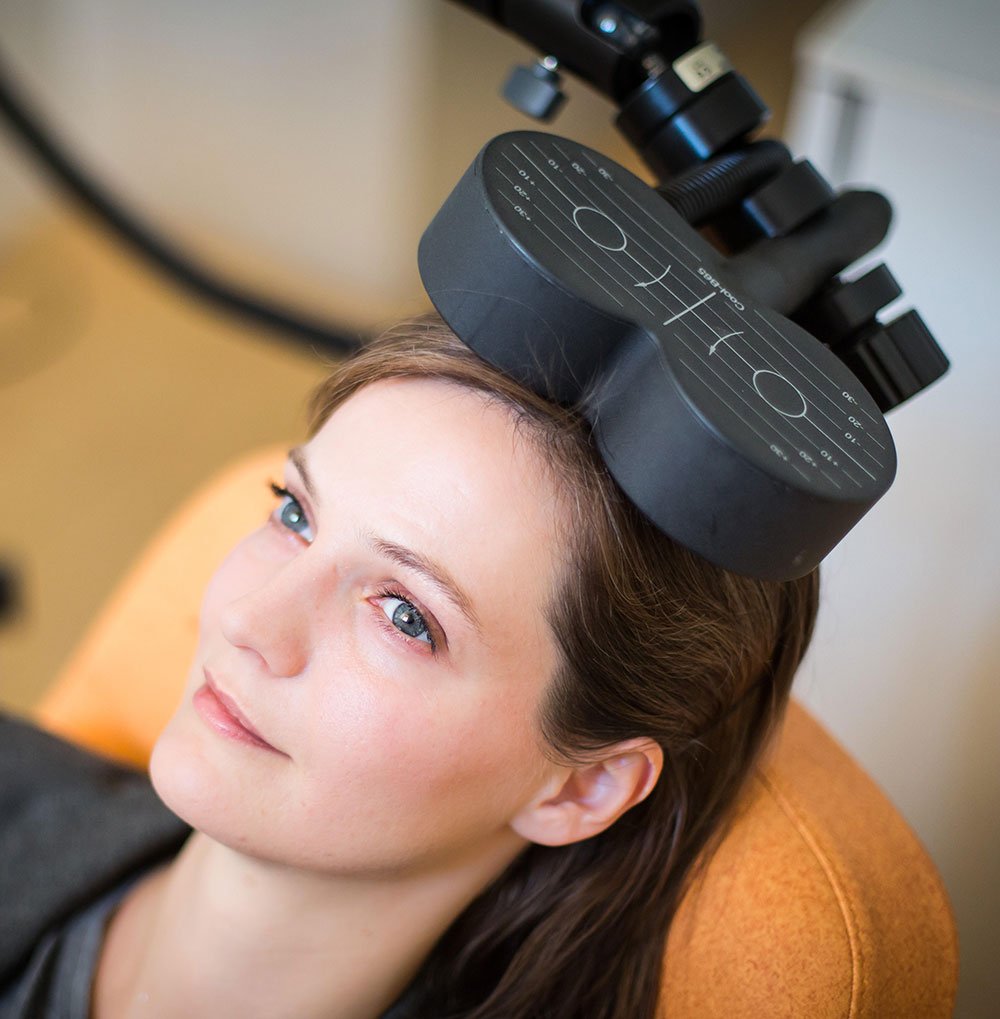
Transcranial Magnetic Stimulation (TMS) therapy offers a promising option for people whose sleep problems relate to depression or anxiety. This non-invasive treatment uses magnetic pulses to stimulate specific brain regions involved in mood regulation and sleep.
Research shows that TMS therapy can improve sleep quality while reducing depression symptoms. The treatment works by normalising brain activity in areas responsible for emotional regulation and circadian rhythm control. Many patients report better sleep as one of the first improvements they notice during TMS treatment.
Unlike sleep medications, TMS addresses the root neurological causes of sleep disturbances rather than just masking symptoms. The therapy helps restore normal communication between brain regions, which can improve both mood and sleep architecture. Studies have found that patients receiving TMS for depression experience significant improvements in sleep efficiency, total sleep time, and sleep quality.
TMS therapy appears particularly effective for people whose insomnia stems from rumination and anxiety. By reducing overactivity in brain regions associated with worry and negative thinking, TMS can quiet the racing thoughts that keep many people awake at night. This makes it easier to fall asleep naturally without relying on sedatives.
The treatment doesn't cause drowsiness or cognitive dulling, which makes it an attractive option for people who need to maintain their daily activities whilst addressing sleep and mental health concerns. Sessions typically last about 20 to 40 minutes, and patients remain fully alert throughout. Most people return to their normal routines immediately after treatment.
We’re Here to Help You Move Towards Better Sleep and Mental Wellness
If you've been struggling with persistent sleep problems or mental health concerns, seeking professional help is an important step. A healthcare provider can help determine whether your sleep issues stem from a mental health condition, whether your mental health struggles are being worsened by poor sleep, or whether both problems need simultaneous attention.
The connection between sleep and mental health means that improving one area creates positive changes in the other. Whether you start by building healthier sleep habits, seeking treatment for mental health concerns, or exploring options like TMS therapy, taking that first step can set in motion meaningful changes that enhance your overall wellbeing.
At Monarch Mental Health Group, patients receive personalised assessments and tailored treatment plans that may include TMS, psychological support, and medical review. With clinics across Australia and a strong focus on clinical outcomes, the team works closely with each individual to support meaningful, lasting improvement in both sleep and overall mental health.
FAQs
How are sleep and mental health connected?
Sleep and mental health have a close two-way relationship. Poor sleep can make it harder to regulate emotions, manage stress and concentrate, while mental health conditions such as anxiety and depression can make it more difficult to fall asleep or stay asleep. Improving one often helps support the other.
Can lack of sleep cause mental health problems?
Ongoing sleep deprivation can increase the risk of anxiety, depression, irritability and difficulty concentrating. While an occasional poor night's sleep is unlikely to cause lasting problems, persistent sleep disruption can have a significant impact on emotional wellbeing and should be assessed if it continues.
Can too much sleep also be a sign of mental health issues?
Yes, sleeping excessively can sometimes be associated with mental health conditions such as depression, as well as certain medications or other medical conditions. If you regularly sleep for long periods but still wake feeling tired or notice changes in your mood, it is worth discussing your symptoms with a healthcare professional.
How does TMS therapy help with sleep disturbances?
For some people, sleep improves as underlying mental health conditions such as depression are treated. TMS therapy may help by targeting areas of the brain involved in mood regulation, which can lead to better sleep quality for some individuals. It is most often considered when depression has not responded adequately to standard treatments.
.png)
About The Author
Dr Ted Cassidy
Dr. Ted Cassidy is a psychiatrist and co-founder of Monarch Mental Health Group in Australia, which provides innovative treatments for depression, PTSD, and anxiety. Monarch Mental Health is recognized as Australia's first outpatient clinic offering assisted therapy and is the largest provider of outpatient magnetic stimulation therapy.