

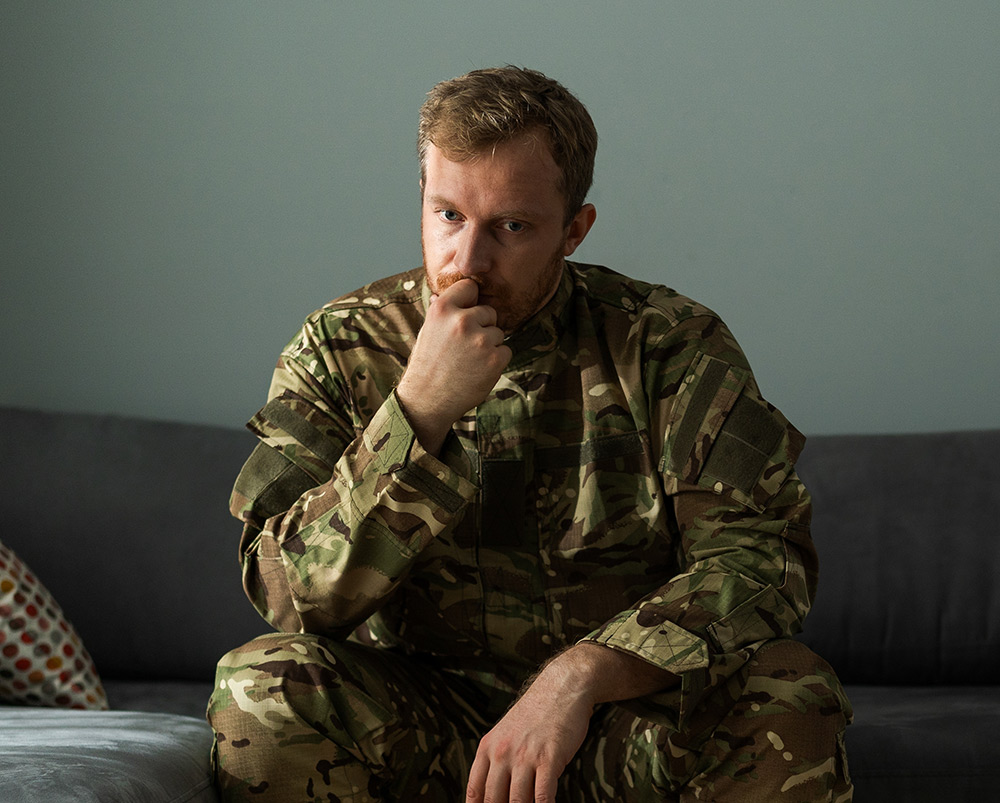
Leaving military service marks a major life change. For many, the shift into civilian life brings relief and hope, but it can also surface veteran mental health challenges that are unexpected and deeply personal. Structure, identity, routine and purpose often change overnight. Understanding these pressures is essential to improving outcomes for those who have served.
So, let's explore the mental health challenges commonly experienced during reintegration, why they occur and what practical, evidence-based approaches can make a meaningful difference.
Loss of Structure and Identity
Military life provides a clear framework. Daily routines are defined, roles are explicit, and expectations are understood. When service ends, that structure often disappears. Many veterans report feeling unmoored, unsure where they fit or how their skills translate outside of uniform. Service identity can run deep. Rank, unit and mission shape how individuals see themselves.
Without that reference point, some veterans struggle with self-worth or direction. Research shows that identity disruption during major life transitions is associated with increased risk of depression and anxiety, particularly when the change is abrupt or unsupported. This is one reason veteran mental health deserves specific attention rather than being treated as a generic adjustment issue.
Difficulty Translating Military Experience
Veterans bring valuable skills into civilian settings, including leadership, problem-solving and resilience. However, these strengths are not always recognised or easily communicated to employers. The frustration of being misunderstood or underemployed can lead to demoralisation over time.
Employment challenges are strongly linked to mental health outcomes. Studies consistently show higher rates of psychological distress among veterans who experience prolonged unemployment or job instability after discharge. Feeling undervalued can erode confidence and reinforce isolation.
Exposure to Trauma and Ongoing Stress Responses
Not all veterans experience combat, but many are exposed to high-stress environments, danger, or repeated operational strain. These experiences can shape how the nervous system responds long after service ends.
Post-traumatic stress symptoms may emerge or intensify during reintegration, when distractions fall away and memories surface. Insomnia, nightmares, sleep disturbance, hypervigilance, irritability and emotional numbness are common.
Importantly, these responses are not signs of weakness. They reflect learned survival mechanisms that no longer serve the same purpose in civilian contexts. Evidence-based treatments such as trauma-focused therapies and neuromodulation approaches have shown strong outcomes when delivered within a structured clinical setting.
Social Disconnection and Isolation
Military culture emphasises camaraderie and shared purpose. Leaving that environment can feel like losing a family. Civilian social networks may not offer the same sense of belonging, particularly when friends or family cannot relate to military experiences.
Social isolation is a well-established risk factor for poor mental health. For veterans, this risk can be compounded by reluctance to speak openly, fear of burdening others, or concern about being misunderstood.
Over time, isolation can deepen symptoms of depression and anxiety and reduce help-seeking behaviour. Community-based initiatives and peer-led groups can play a vital role here, especially when combined with clinical care.
Challenges in Family and Relationship Adjustment
Reintegration affects not only the veteran but also their family. Roles may have shifted during service, and expectations on both sides can be misaligned. Partners and children may anticipate a smooth return to normal, while the veteran may still be adjusting internally.
Communication difficulties, emotional withdrawal, or irritability can strain relationships. Research highlights that family-inclusive approaches improve treatment engagement and long-term outcomes. Addressing relationship stress early can prevent escalation and support recovery for everyone involved.
Navigating Civilian Systems and Services
Healthcare, employment services and education systems can feel complex and fragmented compared to military pathways. Navigating these systems while managing mental health symptoms adds another layer of stress.
This is where well-designed reintegration programs for veterans show value. Programs that combine practical support with psychological care help reduce overwhelm and improve continuity. Evidence suggests that integrated models lead to higher engagement and better functional outcomes than stand-alone services.
Stigma and Barriers to Seeking Help
Despite growing awareness, stigma around mental health remains a barrier. Some veterans worry that seeking help signals failure or undermines the resilience they value. Others have had previous experiences where care felt impersonal or ineffective.
Reducing stigma requires clear messaging, trusted clinical leadership and services that respect military culture while offering modern, evidence-based care. When veterans feel understood, they are more likely to engage and stay engaged. Access to tailored mental health support for veterans is a critical factor in closing this gap.
What Helps During Reintegration
Research and clinical practice point to several approaches that consistently support better outcomes:
- Early assessment rather than waiting for a crisis
- Personalised treatment plans that reflect individual service history
- Multidisciplinary care that includes psychiatry, psychology and nursing
- Family involvement where appropriate
- Peer connection alongside clinical treatment
- Clear pathways for follow-up and continuity of care
Importantly, timing matters. Veterans transitioning to civilian life benefit most when support begins before challenges become entrenched.

Move Forward With Purpose and Stability
Reintegration is not a single event. It is a process that unfolds over time. With the right support, many veterans build fulfilling civilian lives that leverage their strengths and experience.
At Monarch Mental Health Group, we honour the service of Australia’s veterans by providing dedicated, compassionate care tailored to the realities of military life and the transition to civilian life. Our experienced clinicians understand the emotional, psychological and physical challenges veterans face.
Through personalised treatment plans, advanced therapies such as TMS and integrated psychological support, we help veterans regain mental well-being. Contact us today for more information or find a clinic near you.
FAQs
Why is civilian reintegration difficult for veterans?
Civilian reintegration can be challenging because military life provides structure, purpose and clear roles that change suddenly after discharge. Veterans may struggle with identity, employment, relationships and adjusting to less predictable environments. These pressures can affect mental health if left unaddressed.
How common is PTSD among veterans transitioning to civilian life?
PTSD is a recognised condition among some veterans, particularly those exposed to combat, repeated stress, or traumatic events. Symptoms may emerge or intensify during transition when routines change, and stressors increase. Early assessment and evidence-based treatment improve outcomes significantly.
What are the signs of mental health struggles in returning veterans?
Signs may include persistent low mood, irritability, sleep problems, withdrawal from family, difficulty concentrating, or heightened alertness. Some veterans experience physical symptoms such as fatigue or chronic pain alongside emotional distress. Recognising these changes early allows for timely care.
How can veterans manage anxiety during civilian reintegration?
Anxiety during reintegration often relates to uncertainty, new responsibilities and changes in routine. Practical strategies include structured daily planning, therapy focused on stress regulation and medical review when needed. Professional support helps prevent anxiety from becoming entrenched.
.png)
About The Author
Dr Ted Cassidy
Dr. Ted Cassidy is a psychiatrist and co-founder of Monarch Mental Health Group in Australia, which provides innovative treatments for depression, PTSD, and anxiety. Monarch Mental Health is recognized as Australia's first outpatient clinic offering assisted therapy and is the largest provider of outpatient magnetic stimulation therapy.