


Living with mood disorders can feel unpredictable and draining, particularly when depressive episodes continue despite treatment. Many people begin looking for additional options and come across Transcranial Magnetic Stimulation, commonly known as TMS. It is reasonable to want clear, practical information before deciding whether this approach could be right for you. This article explains how TMS is used, how it may help people with bipolar depression and what patients should understand before starting treatment.
What is bipolar depression?
Bipolar disorder involves recurring changes in mood, energy and thinking. These shifts include periods of depression as well as episodes of elevated or irritable mood. For many individuals, the depressive phase is the most disabling and longest-lasting part of the illness.
During depressive episodes, people may experience low mood, reduced motivation, sleep disturbances, difficulty concentrating and a sense of emotional heaviness that makes everyday tasks harder. These bipolar depression symptoms often affect work, relationships and overall quality of life, even when someone is engaged in ongoing mental health care.
Depression associated with bipolar disorder differs from unipolar depression. Standard antidepressants can be less predictable and, in some cases, may increase the risk of mood elevation if not carefully managed. This complexity is one reason clinicians continue to explore additional treatment approaches.
What TMS is and how it works
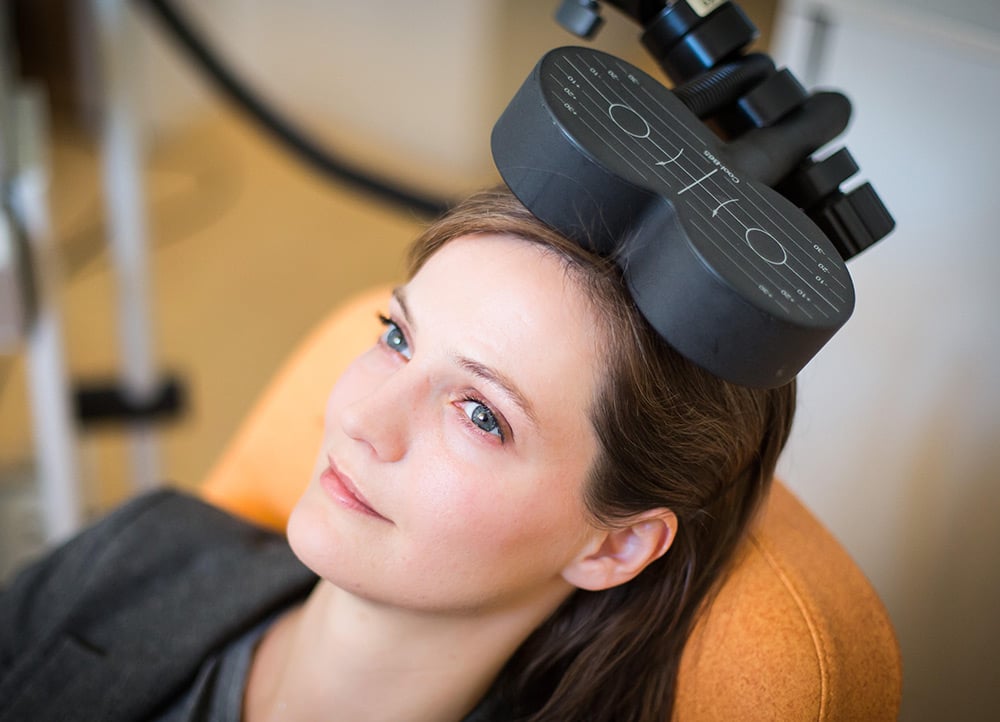
Transcranial Magnetic Stimulation is a non-invasive treatment that uses magnetic pulses to stimulate specific areas of the brain involved in mood regulation. The treatment typically targets regions of the prefrontal cortex that are associated with emotional control, motivation and decision-making.
TMS does not involve medication, surgery, or sedation. Patients remain awake during sessions and can return to their normal routine shortly afterwards. A typical course involves weekday sessions over several weeks, with each session lasting around 20 to 30 minutes.
The repeated stimulation is designed to encourage healthier patterns of brain activity over time. Rather than producing an immediate effect, TMS works gradually, with changes building across the treatment course.
Why TMS is considered for bipolar depression
Medication remains the foundation of bipolar disorder management. However, some people continue to experience depressive episodes despite careful medication selection and monitoring. Others may struggle with side effects or incomplete symptom relief.
This is where TMS therapy becomes part of the conversation. Because it acts directly on brain circuits linked to mood rather than affecting the whole body, it may offer benefits without adding to medication burden. Clinicians consider it an additional tool rather than a replacement for existing care.
A key concern with any intervention in bipolar disorder is the risk of triggering hypomania or mania. Modern TMS protocols address this risk through careful stimulation parameters and close psychiatric supervision. Patient selection and ongoing monitoring are essential parts of safe treatment.
Does TMS work for bipolar disorder?
Research suggests that TMS can reduce depressive symptoms in some individuals with bipolar disorder, particularly when used alongside mood stabilising medication. Results vary between patients, and response depends on factors such as illness history, current treatment and the specific stimulation protocol used.
Studies commonly report improvements in mood, energy and cognitive clarity. Importantly, rates of treatment-emergent mania appear low when TMS is delivered in specialised clinical settings with appropriate safeguards.
While research continues to evolve, the current evidence supports TMS as a potential option for carefully selected patients when depression remains difficult to manage.
Approval status and clinical practice
Another common question is whether TMS is approved for bipolar disorder. In many countries, TMS is formally approved for major depressive disorder. Its use in bipolar depression often occurs under specialist guidance as an off-label or carefully indicated treatment.
This does not mean the treatment lacks scientific support. Rather, regulatory approvals often take time to reflect emerging research. From a patient perspective, the most important factor is receiving care from an experienced psychiatric team that understands the nuances of bipolar disorder.
Safety and best practice considerations
Safety is central to any treatment decision in bipolar disorder. Before starting TMS, clinicians carry out a detailed assessment that includes mood history, current medications, prior manic episodes and neurological risk factors.
Best practice typically involves:
- Maintaining mood stabilising medication during treatment
- Using stimulation settings designed to minimise mood elevation risk
- Monitoring mood changes throughout the treatment course
- Adjusting or pausing treatment if early warning signs appear
When these principles are followed, TMS has a strong safety profile. The most common side effects are mild scalp discomfort or headache, usually limited to the first few sessions.
What patients experience during treatment
Most patients describe TMS sessions as straightforward and manageable. The sensation during treatment is often described as light tapping on the scalp. Sessions take place in a clinic with trained staff present at all times.
Changes tend to occur gradually. Some people notice improvements in sleep, focus, or mental clarity before mood shifts become apparent. Others experience more subtle progress that builds over time.
It is important to approach treatment with realistic expectations. TMS does not cure bipolar disorder and does not replace ongoing psychiatric care. Instead, it may help reduce the severity or persistence of depressive episodes for some individuals.
Integrating TMS into long-term care
Successful use of TMS and bipolar disorder management relies on a coordinated approach. TMS works best when integrated into a broader care plan that includes psychiatric follow-up, psychological therapy and lifestyle support.
This integrated model allows clinicians to track progress, manage risks and adjust treatment as needed. It also supports long-term stability rather than short-term symptom relief alone.
Who may be a suitable candidate?
TMS may be appropriate for people who experience ongoing depressive episodes despite appropriate medication, or for those who cannot tolerate medication side effects. It may also appeal to individuals seeking a non-pharmacological option within a structured medical setting.
However, it is not suitable for everyone. Certain neurological conditions, implanted devices, or unstable mood states may require alternative approaches. A thorough psychiatric assessment is essential before proceeding.
Find out if TMS is appropriate for you
TMS can be a valuable option for some people living with bipolar depression, particularly when depressive episodes continue despite well-managed medication and psychological support. It offers a non-invasive approach that may reduce the severity and persistence of low mood when used as part of a carefully monitored treatment plan.
The most important factor is not the treatment itself, but the clinical framework around it. Bipolar disorder requires thoughtful assessment, experienced psychiatric oversight and ongoing monitoring to ensure safety and long-term stability. TMS works best when it is integrated into broader care rather than used in isolation.
At Monarch Mental Health Group clinics across Australia, treatment decisions are guided by comprehensive psychiatric assessment and a strong focus on individual needs. Care is delivered by a psychiatrist-led team that works collaboratively with psychologists and nursing staff, ensuring that advanced treatments like TMS are considered within the full context of a person’s mental health history and current presentation.
If you are exploring whether TMS may be appropriate for you, a conversation with an experienced clinical team can help clarify your options. With the right guidance, realistic expectations and structured follow-up, TMS can form part of a personalised approach to managing bipolar depression and supporting ongoing recovery. Contact us today for more information or to find a clinic near you.
FAQs
Can bipolar patients do TMS therapy?
Yes, some people with bipolar disorder may be suitable for TMS therapy, particularly when depressive episodes persist despite well-managed medication. Suitability depends on mood stability, treatment history and psychiatric assessment. Careful monitoring is essential to minimise risks.
What are three symptoms of bipolar depression?
Common symptoms of bipolar depression include persistent low mood, reduced energy or motivation and difficulty concentrating. Many people also experience changes in sleep, appetite and feelings of hopelessness. These symptoms can interfere with work, relationships and daily functioning. A comprehensive assessment is important to ensure accurate diagnosis and treatment planning.
How do you deal with bipolar depression?
Managing bipolar depression usually involves a combination of medication, psychological therapy, routine support and close psychiatric follow-up. Lifestyle factors such as sleep regulation and stress management also play a role. For some people, additional treatments like TMS may be considered as part of a broader plan.
What are people with bipolar depression like?
People experiencing bipolar depression may appear withdrawn, fatigued, or emotionally flat, even if they function well at times. Internally, many describe feeling slowed down, mentally foggy, or overwhelmed by everyday demands. These experiences vary widely between individuals. Understanding the full picture requires careful assessment rather than assumptions.
.png)
About The Author
Dr Ted Cassidy
Dr. Ted Cassidy is a psychiatrist and co-founder of Monarch Mental Health Group in Australia, which provides innovative treatments for depression, PTSD, and anxiety. Monarch Mental Health is recognized as Australia's first outpatient clinic offering assisted therapy and is the largest provider of outpatient magnetic stimulation therapy.