
Your heart races. Your chest tightens. Your thoughts spin out of control. When anxiety strikes, it can feel like you've lost command of your own body. The good news is that one of the most effective tools for managing these overwhelming moments is always with you: your breath.
Breathing techniques to manage anxiety have gained significant attention in recent years, and for good reason. Research consistently shows that controlled breathing can activate your body's natural calming systems, reducing anxiety symptoms quickly and effectively. These techniques offer a practical, accessible way to regain control when anxiety threatens to take over.
Why Breathing Affects Anxiety
The connection between breathing and anxiety runs deeper than you might think. When you're anxious, your body activates the fight-or-flight response. Your breathing becomes shallow and rapid, preparing you to face perceived danger. This hyperventilation can actually worsen anxiety symptoms, creating a cycle that feels impossible to break.
Your breath directly influences your autonomic nervous system, which controls involuntary bodily functions including heart rate, digestion and stress responses. Slow, deliberate breathing activates the parasympathetic nervous system, sometimes called the "rest and digest" system. This activation signals your body that you're safe, counteracting the anxiety response.
Studies using brain imaging have revealed that controlled breathing changes activity in brain regions associated with emotion, attention and body awareness. The amygdala, your brain's fear centre, becomes less reactive. Meanwhile, areas responsible for emotional regulation show increased activity. These neurological changes explain why breathing exercises for anxiety produce such noticeable effects.
Carbon dioxide levels in your blood also play a crucial role. When you hyperventilate during anxiety, you expel too much carbon dioxide. This triggers physical symptoms like dizziness, tingling and breathlessness, which can intensify your anxiety. Controlled breathing restores proper carbon dioxide levels, alleviating these uncomfortable sensations.
Essential Breathing Techniques for Anxiety Relief
Different breathing techniques suit different situations and preferences. Experimenting with various methods helps you discover which approaches work best for your specific anxiety patterns.
Diaphragmatic Breathing
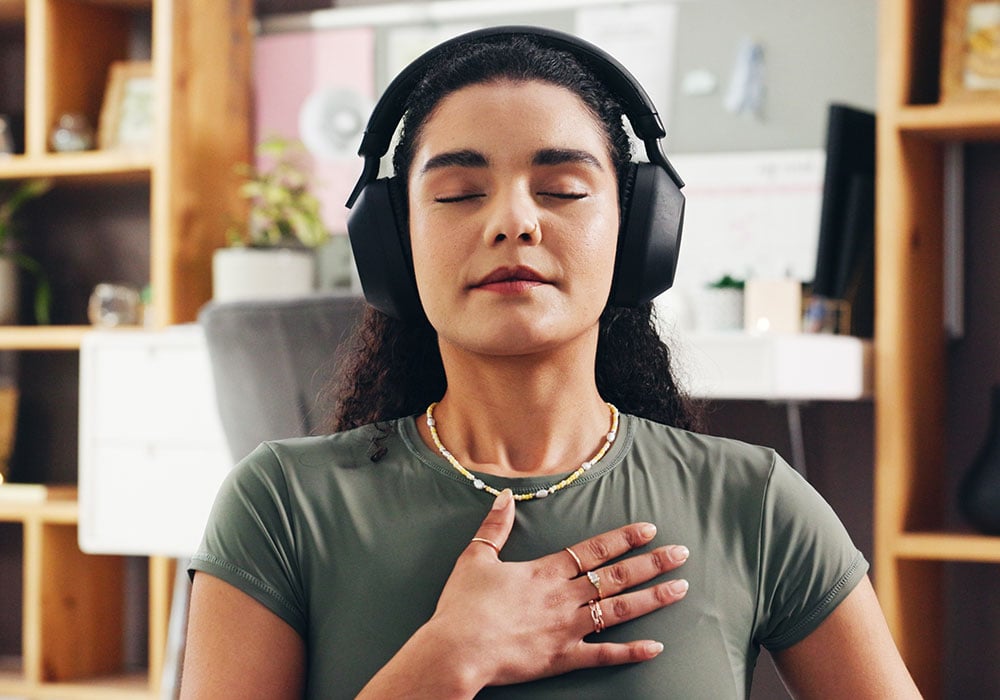
Also known as belly breathing, this foundational technique encourages deep breathing using your diaphragm rather than shallow chest breathing. Place one hand on your chest and another on your stomach. Breathe in slowly through your nose, allowing your stomach to rise whilst your chest remains relatively still. Exhale slowly through your mouth.
4-7-8 Breathing
Developed by Dr Andrew Weil, this technique follows a specific rhythm: inhale through your nose for 4 counts, hold your breath for 7 counts, then exhale completely through your mouth for 8 counts. The extended exhale particularly activates calming responses.
Many people find this method especially helpful for managing acute anxiety or falling asleep when worried thoughts intrude. The counting aspect also gives your mind something to focus on besides anxious thoughts. Practise this technique at least twice daily, completing four full cycles each time.
Box Breathing
Used by athletes and military personnel to maintain calm under pressure, box breathing involves equal counts for each phase. Inhale for four counts, hold for four, exhale for four, hold for four. Visualising a box as you breathe around its four sides can enhance focus.
This balanced approach suits moments when you need to stay alert whilst managing anxiety. Unlike techniques with longer exhales that promote sleepiness, box breathing maintains mental clarity whilst reducing stress.
Alternate Nostril Breathing
This yogic practice involves breathing through one nostril at a time. Close your right nostril with your thumb, inhale through the left. Close your left nostril with your ring finger, release your thumb and exhale through the right. Inhale through the right, then switch.
How to Calm Anxiety with Breathing in Different Situations
The versatility of breathing techniques means you can adapt them to various anxiety-provoking situations:
Managing Panic Attacks
During a panic attack, breathing becomes rapid and shallow. Focus on slowing your exhale, which signals safety to your nervous system. Try breathing in for four counts and out for six. Don't worry about perfect technique. Simply extending your out-breath longer than your in-breath helps activate calming responses.
Remind yourself that panic attacks, whilst frightening, aren't inherently dangerous. They peak within ten minutes. Your breathing practice gives you something constructive to focus on whilst the storm passes.
Workplace Anxiety
Office environments don't always allow for obvious relaxation practices. Discreet breathing techniques can help manage work-related stress without drawing attention. Try subtle belly breathing at your desk, or take brief toilet breaks for a quick 4-7-8 breathing session.
Before stressful meetings or presentations, spend two minutes doing box breathing. This helps you enter challenging situations from a calmer baseline. Regular practice throughout the day prevents anxiety from building to unmanageable levels.
Social Anxiety
Social situations often trigger shallow breathing, which worsens anxiety symptoms. Before entering social settings, practise calming breathing techniques in your car or a quiet space. During conversations, focus on maintaining steady, relaxed breathing rather than holding your breath.
If you notice anxiety rising mid-conversation, excuse yourself briefly. Even 60 seconds of intentional breathing in a bathroom or a quiet corner can reset your nervous system enough to keep going.
Sleep-Related Anxiety
Racing thoughts at bedtime respond well to breathing techniques that promote drowsiness. The 4-7-8 method works particularly effectively for sleep. The extended exhale and breath-holding naturally slow your heart rate and quiet mental chatter.
Combine breathing with a body scan, progressively relaxing each muscle group as you breathe. This dual focus prevents your mind from returning to anxious thoughts.
How to Use Breathing Techniques to Manage Anxiety Long-Term
Whilst breathing exercises provide immediate relief during anxious moments, consistent practice produces more profound, lasting changes:
Building a Daily Practice
Set aside specific times each day for breathing exercises, even when you're not anxious. Morning practice sets a calm tone for the day. Evening sessions promote better sleep. Five to ten minutes twice daily creates significant benefits over time.
Consistency matters more than duration. Brief daily practice outperforms occasional longer sessions. Your nervous system learns to default to calmer patterns through repetition.
Combining Breathing with Other Anxiety Management Strategies
Breathing techniques work synergistically with other anxiety management approaches. Pair breathing exercises with progressive muscle relaxation for enhanced physical calming. Combine them with mindfulness meditation to strengthen present-moment awareness.
Physical exercise followed by breathing practice can be particularly effective. Exercise releases anxious energy, whilst breathing techniques consolidate the calming effects.
Tracking Your Progress
Keep a simple log noting when you practise breathing techniques and your anxiety levels before and after. This documentation reveals patterns and demonstrates the techniques' effectiveness, reinforcing your commitment to practice.
Notice subtle improvements in how you handle daily stressors. You might find you react less intensely to triggers or recover more quickly from anxiety spikes.
Understanding the Limitations
Breathing techniques offer powerful anxiety relief, but they're not a complete solution for everyone. Some people experience increased anxiety when focusing on their breath, particularly those with trauma histories or certain anxiety disorders.
If breathing exercises consistently worsen your anxiety, don't force them. Alternative grounding techniques, such as the 5-4-3-2-1 sensory method, might suit you better. Everyone's anxiety responds differently to various interventions.
Breathing techniques manage symptoms effectively but don't always address the underlying causes of chronic anxiety. They work brilliantly as part of a comprehensive treatment approach, but may not suffice alone for anxiety disorders.
Effective Treatments for Anxiety Disorders in Australia
Many people find relief with self-care strategies like breathing exercises, but seeking professional help is essential for managing anxiety disorders effectively.
At Monarch Mental Health Group, we offer a range of evidence-based treatment options. Psychological therapies, particularly Cognitive Behavioural Therapy (CBT), help manage negative thought patterns and develop coping mechanisms when you have an anxiety disorder. These talking therapies address the root causes of anxiety whilst teaching practical skills like advanced breathing techniques within a therapeutic framework.
Medication options, including antidepressants, can help regulate brain chemicals and alleviate anxiety symptoms. Our psychiatrists work collaboratively with you to find the right medication approach if needed.
Next-Step Anxiety Disorder Treatments: When Standard Options Fall Short
For some individuals, first-line treatments for anxiety disorders, especially severe anxiety, panic disorder or PTSD, may not provide sufficient relief. Monarch Mental Health Group offers next-step treatment options alongside psychological therapy.
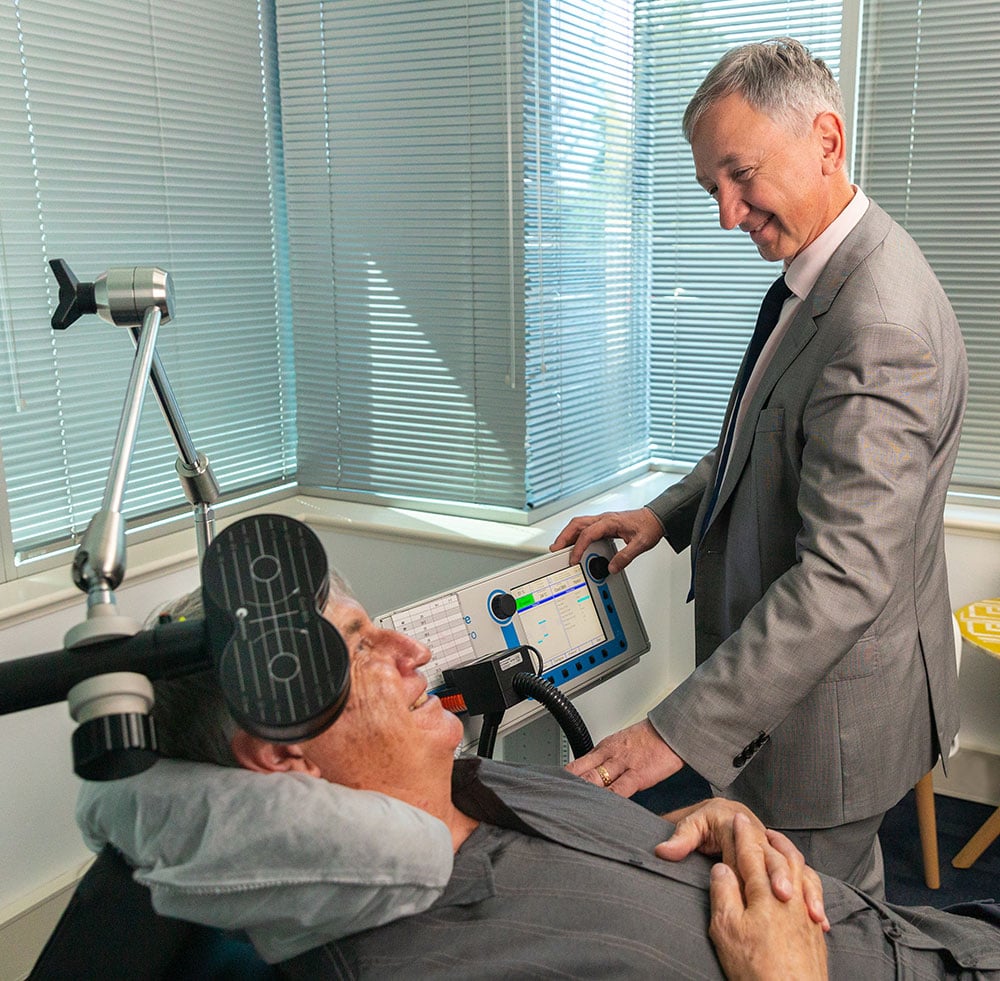
Transcranial Magnetic Stimulation (TMS) provides a safe and non-invasive next-step option. It uses targeted magnetic pulses to stimulate brain regions involved in mood regulation, offering potential relief from anxiety disorder symptoms. Research shows TMS can reduce activity in the brain's fear circuitry whilst strengthening areas responsible for emotional control.
When your brain's anxiety networks are less overactive, calming strategies become more effective. The treatment doesn't replace breathing techniques but can make them work better by addressing the neurological underpinnings of anxiety.
Get a referral from your GP and contact us for more information about how we can support your journey towards calmer, more manageable anxiety. Taking that step towards professional help demonstrates strength, not weakness. You deserve relief from the burden of excessive anxiety, and effective help is available.
FAQs
How do breathing techniques help with anxiety?
Breathing techniques may help anxiety by slowing the stress response and encouraging the nervous system to shift into a calmer state. They can also give the mind something steady to focus on, which may reduce racing thoughts and help interrupt the cycle of anxious breathing and physical tension.
What is the best breathing technique for anxiety?
There is no single best breathing technique for anxiety, as different methods suit different situations. Diaphragmatic breathing may help with general anxiety, box breathing can support focus, and 4-7-8 breathing may be useful when trying to calm the body before sleep.
How quickly do breathing exercises work for anxiety?
Some people feel calmer within a few minutes of controlled breathing, especially when anxiety is linked to shallow or rapid breathing. Longer-term benefits usually depend on regular practice, as breathing techniques often become more effective when they are familiar and easy to use during stress.
Can breathing exercises stop a panic attack?
Breathing exercises may help reduce the intensity of a panic attack by slowing breathing, lowering physical arousal and giving the person something structured to focus on. They may not stop every panic attack completely, so ongoing or frequent panic symptoms should be assessed by a healthcare professional.
.png)
About The Author
Dr Ted Cassidy
Dr. Ted Cassidy is a psychiatrist and co-founder of Monarch Mental Health Group in Australia, which provides innovative treatments for depression, PTSD, and anxiety. Monarch Mental Health is recognized as Australia's first outpatient clinic offering assisted therapy and is the largest provider of outpatient magnetic stimulation therapy.