


Experiencing a traumatic event can leave anyone feeling shaken, overwhelmed, or disconnected. In Australia, many people face challenging situations, ranging from natural disasters such as bushfires to personal events or workplace incidents. While it is natural to feel distressed after such events, understanding the specific nature of your reaction is essential for recovery. Two terms often arise in conversations about trauma: Acute Stress Disorder and Post-Traumatic Stress Disorder. While they share many characteristics, the difference between acute stress disorder and PTSD lies primarily in the duration of symptoms and the timing of the diagnosis.
Understanding these distinctions helps individuals and their families get the right support at the right time. Early intervention often changes the trajectory of recovery, preventing short-term distress from becoming a long-term struggle. By exploring the nuances of these conditions, we can better navigate the path to emotional stability and wellbeing.
What is Acute Stress Disorder?
Acute Stress Disorder (ASD) describes the psychological distress that occurs immediately following a traumatic event. Clinicians developed this diagnosis to identify people who are at a higher risk of developing chronic issues later. For a diagnosis of ASD, symptoms must persist for at least three days but no longer than one month after the trauma.
If the symptoms resolve within this four-week window, the person has experienced ASD rather than a more chronic condition. It is essentially the brain’s immediate, intense reaction to a terrifying experience. During this period, the mind struggles to process what happened, leading to heightened sensitivity and emotional volatility.
What is Post-Traumatic Stress Disorder?
Post-Traumatic Stress Disorder (PTSD) is perhaps more widely known. It involves similar symptoms to ASD, but they last for more than a month and significantly interfere with a person’s ability to function in daily life. In some cases, PTSD symptoms do not appear until months or even years after the event, a phenomenon known as delayed expression.
The transition from a temporary stress reaction to a chronic condition involves complex changes in the brain’s chemistry and structure. When the nervous system remains in a state of high alert long after the danger has passed, the condition is classified as PTSD. This persistence is the hallmark of the disorder, distinguishing it from the shorter-term acute stress disorder vs ptsd.
Acute Stress Disorder Symptoms vs PTSD Symptoms
When comparing acute stress disorder symptoms vs PTSD symptoms, you will find a significant overlap. Both conditions fall under the category of trauma-and-stressor-related disorders in the Diagnostic and Statistical Manual of Mental Disorders (DSM-5). They generally manifest in five main categories.
Intrusion Symptoms
Both ASD and PTSD involve intrusive memories. These are vivid, involuntary recollections of the event that feel as though the trauma is happening again. You might experience flashbacks or distressing dreams. These episodes often trigger intense physical or psychological distress when you encounter reminders of the trauma.
Avoidance Symptoms
People with either condition often go to great lengths to avoid reminders of the event. This might include avoiding specific locations, people, or conversations that trigger memories. While avoidance provides temporary relief from anxiety, it often reinforces the fear in the long term, making it harder for the brain to process the event properly.
Negative Mood and Cognition
A sense of persistent sadness, guilt, or anger is common. In ASD, there is often a prominent inability to experience positive emotions like happiness or satisfaction. In PTSD, these negative thoughts often expand into distorted beliefs about oneself or the world, such as "I am bad" or "The world is entirely dangerous."
Arousal and Reactivity Symptoms
Hypervigilance is a key feature of both disorders. You might feel constantly "on edge," startle easily at loud noises, or have difficulty concentrating. Irritability and sleep disturbances are also frequent. This state of constant high alert reflects the body’s sympathetic nervous system staying activated even when you are safe.
Dissociative Symptoms
Dissociation is particularly common in Acute Stress Disorder. This involves feeling in a daze, as if time has slowed down, or experiencing detachment from your body. While dissociation can occur in PTSD, it was originally considered a defining feature of the ASD diagnosis to highlight the brain’s immediate attempt to shut down or "numb out" during a crisis.
The Critical Timeline for Diagnosis
The most definitive difference between acute stress disorder and PTSD is the calendar. If you have been struggling for two weeks, a professional will look at ASD. If you are still experiencing the same intensity of symptoms six weeks later, the diagnosis likely shifts to PTSD.
The PTSD and acute stress disorder diagnosis process requires a thorough clinical assessment by a psychologist or psychiatrist. They will evaluate the nature of the traumatic event, the duration of the symptoms, and the level of functional impairment. In Australia, GPs often act as the first point of contact, providing referrals to specialists who can perform these detailed evaluations.
Why the Distinction Matters
You might wonder why we need two different names for what appears to be the same set of symptoms. The distinction is vital for treatment planning and resource allocation. Not everyone who experiences ASD will go on to develop PTSD. In fact, many people recover from acute stress with minimal intervention as their brain naturally processes the event.
However, identifying ASD allows healthcare providers to monitor high-risk individuals. Early support can involve "psychological first aid," which focuses on practical needs, safety, and calming techniques rather than deep trauma processing. If the condition progresses to PTSD, the focus shifts toward more intensive, evidence-based therapies designed to rewire the brain’s response to the traumatic memory.
Risk Factors for Progression
Research suggests that certain factors increase the likelihood of ASD turning into PTSD. The severity of the initial trauma plays a role, as does a person’s history of prior mental health challenges. Lack of social support immediately following the event is another significant risk factor.
Individuals who experience high levels of dissociation during or immediately after the trauma are also at a greater risk of long-term issues, including physical health problems. Understanding these risks helps Australian clinicians target interventions more effectively, ensuring that those most at risk receive the highest level of care during that first critical month.
Evidence-Based Treatments for Recovery
The good news is that both ASD and PTSD respond well to professional treatment. Australia is home to world-class mental health practitioners who utilise high-quality research to guide their sessions.
Trauma-Focused Cognitive Behavioural Therapy (CBT)
CBT is a highly-regarded treatment. It involves identifying unhelpful thought patterns related to the trauma and gradually exposing the individual to the memories in a safe, controlled environment. This process helps the brain categorise the event as a past memory rather than a present threat.
EMDR (Eye Movement Desensitisation and Reprocessing)
EMDR is another highly effective therapy. It involves the person focusing on the traumatic memory while experiencing bilateral stimulation, such as side-to-side eye movements. This technique appears to help the brain reprocess the memory, reducing its emotional intensity.
Innovative Approaches: TMS
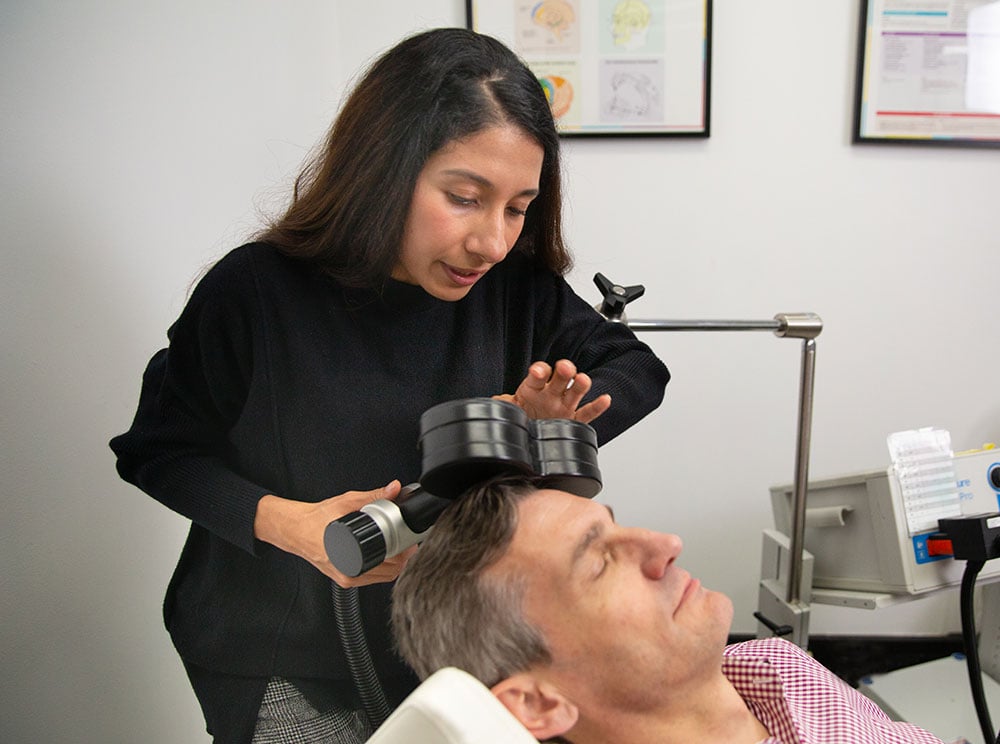
For those who do not find relief through traditional therapy or medication, advanced options like Transcranial Magnetic Stimulation (TMS) offer a promising alternative. TMS uses magnetic pulses to stimulate specific brain regions involved in mood regulation and the stress response. It is a non-invasive procedure that has shown excellent results in treating the symptoms often associated with chronic PTSD.
Supporting Someone through Trauma
If a friend or family member is experiencing ASD or PTSD, your support is invaluable. The best approach involves being a calm, non-judgemental presence. Avoid forcing them to "talk it out" if they are not ready, as this can sometimes be retraumatising in the early stages of ASD. Instead, focus on practical help, such as cooking meals or assisting with daily chores, to reduce their overall stress load.
Encourage them to maintain a routine and avoid using alcohol or drugs to cope with their symptoms. Most importantly, gently suggest they speak with a professional if their symptoms persist beyond a few weeks or if they seem unable to cope with daily life.
What is the Right Path Forward?
Trauma is a deeply personal experience, and there is no "correct" way to react to it. Whether you are dealing with the immediate aftermath of a crisis or struggling with long-term memories, your feelings are valid. Recognising the difference between acute stress disorder and PTSD is the first step in demystifying your experience.
If you are within that first month after an event, focus on safety, rest, and basic self-care. If you find that time has passed, but the shadows of the event remain just as dark, it may be time to seek more specialised support. Recovery is not a linear process, but with the right information and professional guidance, it is entirely possible to regain your sense of self and find peace again.
Australian health services are equipped to help you navigate these challenges. By reaching out to experts who understand the complexities of the human brain and the impact of trauma, you can move from a state of survival back into a life of purpose and connection.
Australia-Wide Clinical Support for Trauma Recovery
Navigating the complexities of trauma requires professional expertise and a compassionate approach. Monarch Mental Health Group offers psychiatrist-led care for individuals experiencing the symptoms of ASD and PTSD through our clinics Australia-wide, including Melbourne, Sydney, Perth, Brisbane, and beyond. We provide access to evidence-based treatments and advanced clinical options tailored to your unique recovery journey.
If you are struggling to move past a traumatic event, our team is here to help you find a path forward. Speak to the team at Monarch Mental Health Group today to discuss your options and take the next step toward healing.
FAQs
What is the main difference between Acute Stress Disorder and PTSD?
The main difference is how long symptoms last. Acute Stress Disorder develops within the first month after a traumatic event and lasts between three days and one month. If trauma-related symptoms continue beyond one month and meet the diagnostic criteria, a diagnosis of PTSD may be considered.
Can Acute Stress Disorder turn into PTSD?
Yes. Some people recover from Acute Stress Disorder within a few weeks, while others continue to experience symptoms that develop into PTSD. Early assessment and appropriate treatment may help reduce the risk of longer-term psychological difficulties following trauma.
How are Acute Stress Disorder and PTSD treated?
Treatment for both conditions often includes trauma-focused psychological therapies such as cognitive behavioural therapy (CBT) or eye movement desensitisation and reprocessing (EMDR). The most appropriate treatment depends on the severity of symptoms, how long they have been present and each person's individual circumstances.
What are the primary symptoms to watch for after a trauma?
Common symptoms include intrusive memories, nightmares, avoidance of reminders, heightened alertness, emotional numbness, irritability and difficulty sleeping or concentrating. If these symptoms persist, worsen or begin interfering with daily life, it is important to seek professional assessment and support.
.png)
About The Author
Dr Ted Cassidy
Dr. Ted Cassidy is a psychiatrist and co-founder of Monarch Mental Health Group in Australia, which provides innovative treatments for depression, PTSD, and anxiety. Monarch Mental Health is recognized as Australia's first outpatient clinic offering assisted therapy and is the largest provider of outpatient magnetic stimulation therapy.