

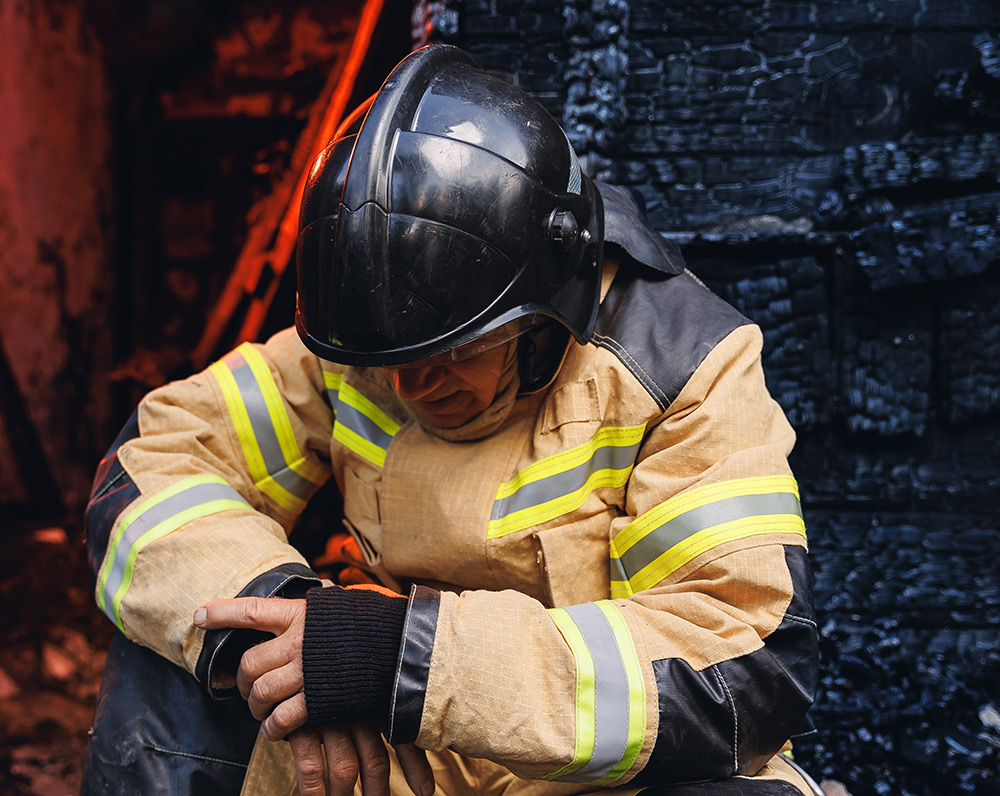
Firefighting is demanding work. Long shifts, exposure to traumatic incidents, physical danger and responsibility for others can place steady pressure on even the most experienced crews. Over time, that pressure can build into occupational stress. Recognising the early signs matters because early action can protect wellbeing, performance and long-term health.
Here's how firefighters can recognise work-related stress early, what those signs often look like in daily life and what practical steps help reduce risk. The aim is not to pathologise normal reactions, but to help people notice patterns before stress becomes harder to manage.
Understanding occupational stress in firefighting
Occupational stress refers to the physical and psychological strain that arises from job demands over time. In firefighting, stress rarely comes from a single event. More often, it develops through repeated exposure to critical incidents, disrupted sleep, shift work, high alert states and limited time to recover.
Early symptoms of occupational stress in firefighters can be subtle. Many firefighters remain highly functional at work while struggling quietly off shift. This is why awareness is so important. Early recognition enables timely firefighter stress-management strategies and access to appropriate mental health support.
Why early recognition is often difficult
Firefighters are trained to push through discomfort and focus on the task at hand. That mindset saves lives, but it can also delay recognising personal strain. Stress reactions may be dismissed as fatigue or part of the job. There may also be concern about letting the team down or being perceived as less capable.
Understanding that stress responses are common and manageable helps reduce these barriers. Occupational stress is not a personal failure. It is a predictable response to cumulative exposure in a high-risk profession.
Common firefighter occupational stress warning signs
Early warning signs often appear across multiple areas rather than in a single symptom. Paying attention to changes over time is key.
Emotional and psychological changes
One of the earliest indicators of occupational stress is a shift in emotional responses. Firefighters may notice:
- Increased irritability or short temper, especially at home
- Feeling emotionally numb or detached after incidents
- Reduced enjoyment in activities that once felt rewarding
- Persistent low mood or anxiety without a clear trigger
These changes may come and go at first. When they become more frequent or intense, it is worth paying attention.
Cognitive signs to watch for
Stress affects how the brain processes information. Early cognitive signs may include:
- Difficulty concentrating during routine tasks
- Forgetfulness or reduced attention to detail
- Racing thoughts after shifts or difficulty switching off
- Increased self-criticism or negative thinking
These signs do not mean someone is unsafe to work, but they do signal that the nervous system may be under sustained load.
Physical symptoms linked to occupational stress
The body often signals stress before the mind fully registers it. Common physical signs include:
- Ongoing fatigue that rest does not fully relieve
- Headaches, muscle tension, or jaw clenching
- Digestive discomfort or changes in appetite
- Frequent minor illnesses due to lowered immunity
Sleep disturbance deserves particular attention. Difficulty falling asleep, staying asleep, or waking feeling unrefreshed is a common early symptom of occupational stress in firefighters.
Behavioural changes that matter
Behavioural shifts are often noticed by colleagues or family members first. These may include:
- Withdrawing from social contact or crew interactions
- Increased reliance on alcohol or other substances to unwind
- Avoidance of certain call types or training scenarios
- Reduced patience with peers or loved ones
These changes can be subtle at first. When they persist, they often indicate a need for additional support.
How firefighters can recognise work-related stress in themselves
Self-awareness develops with practice. A few simple habits can help firefighters notice stress earlier. One approach is to check in after shifts, especially those involving fatalities, severe injuries, or children.
Asking simple questions can help: How is my sleep this week? Am I more reactive than usual? Do I feel constantly on edge or flat? Tracking patterns rather than isolated days is important. Everyone has difficult shifts. Occupational stress shows up when strain becomes the norm rather than the exception.
Recognising stress in colleagues and crew members
Firefighters also play a vital role in recognising stress in one another. Changes in behaviour, mood, or performance should be met with curiosity rather than judgement. Simple peer check-ins can make a difference. A quiet conversation, a shared coffee, or asking how someone is coping after a tough job can open the door to support.
Many firefighters are more likely to talk to peers than seek formal help at first. A strong team culture supports early identification of firefighter occupational stress warning signs and encourages timely action.
Why early action makes a real difference
Research consistently shows that early intervention improves outcomes for work-related stress. Addressing stress early can reduce the risk of depression, anxiety disorders, post traumatic stress responses and burnout. Early support also helps maintain operational readiness.
Firefighters who feel supported and regulated are better able to focus, make decisions and recover between shifts. Mental health support for firefighters is most effective when it is proactive rather than crisis-driven.
Practical firefighter stress management strategies
Effective stress management does not require dramatic changes. Small, consistent actions are often the most helpful. Regular physical activity, separate from operational training, supports nervous system regulation. Sleep routines that prioritise recovery on days off help counter shift disruption. Limiting alcohol as a coping tool reduces rebound anxiety and sleep problems.
Psychological strategies such as controlled breathing, grounding techniques, or brief decompression routines after calls can reduce physiological arousal. Many firefighters find structured peer support programs helpful because they reflect the realities of the job.
Professional support also plays a role. Speaking with clinicians who understand emergency services can help firefighters develop skills to process stress and build resilience without stigma.
When to seek additional support
If symptoms persist for several weeks, worsen over time, or begin to interfere with relationships or work performance, professional support is recommended. This does not mean someone cannot continue working. It means they are prioritising their health.
Early engagement with mental health services often shortens recovery time and improves long-term outcomes. Firefighters deserve the same proactive care they provide to others.
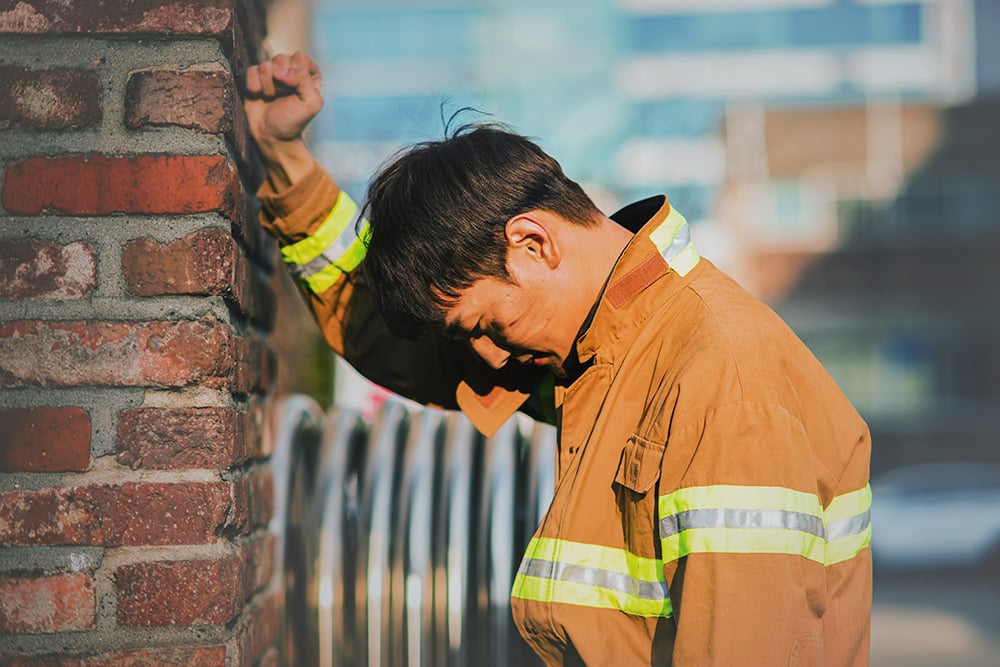
Mental health support that understands the job and the pressure
At Monarch Mental Health Group, we understand that occupational stress in firefighters develops over time and needs specialist care, available through WorkCover, that respects the realities of emergency service work. Our psychiatrist-led teams provide evidence-based mental health treatments, including psychological therapy, medication optimisation, TMS therapy and tailored stress management support designed for high-exposure roles.
With clinics across New South Wales, Queensland, Victoria and the ACT, firefighters can access confidential, practical mental health care close to home. If you have noticed early warning signs of work-related stress, early support can make a meaningful difference. Contact Monarch Mental Health Group to book a consultation and take a proactive step toward long-term wellbeing and sustainable service.
FAQs
When should a firefighter get professional mental health support?
If stress symptoms last more than a few weeks, worsen, or interfere with work, sleep, or relationships, professional support is recommended. Seeking help early does not mean stepping away from duty. It often prevents longer-term difficulties.
What treatments are available for occupational stress in firefighters?
Treatment depends on individual needs and may include psychological therapy, medication review, stress regulation strategies and neuromodulation treatments such as rTMS or dTMS where clinically appropriate.
Can firefighters continue working while receiving mental health care?
In many cases, yes. Early treatment for occupational stress often supports continued safe work and improves recovery. Care plans are tailored to symptoms, duties and personal goals.
Is occupational stress in firefighters covered by WorkCover?
In many cases, occupational stress related to firefighting duties may be eligible for WorkCover, particularly when symptoms are linked to work exposure or critical incidents. Eligibility depends on individual circumstances and documentation.
.png)
About The Author
Dr Ted Cassidy
Dr. Ted Cassidy is a psychiatrist and co-founder of Monarch Mental Health Group in Australia, which provides innovative treatments for depression, PTSD, and anxiety. Monarch Mental Health is recognized as Australia's first outpatient clinic offering assisted therapy and is the largest provider of outpatient magnetic stimulation therapy.