


Skip to content

Your Service Changed You. We Can Help You Feel Like Yourself Again

Discover TMS - the breakthrough treatment helping service-related depression even after failed antidepressants.

Break Free from Treatment-Resistant Depression When Medications Haven't Worked

Are you struggling with depression that just won't lift, even after trying multiple antidepressants? When medication after medication hasn't worked, and therapy alone isn't enough, it can feel like you're running out of options. We understand the frustration and hopelessness of treatment-resistant depression – how it affects your relationships, work, and ability to find joy in things you once loved.

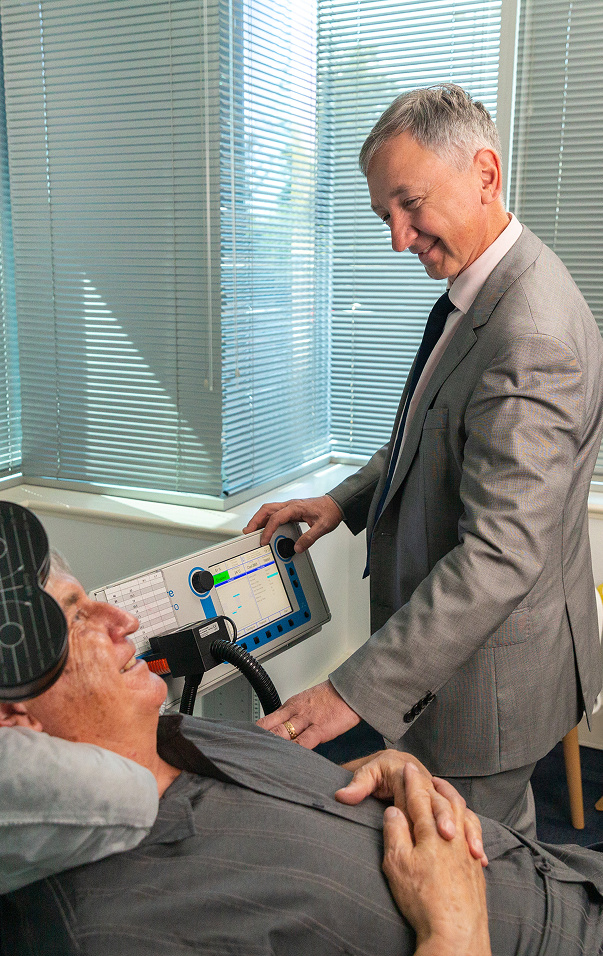
TMS offers a different approach – a breakthrough, non-invasive treatment that targets depression directly at its source in your brain. Unlike medications that affect your entire body, TMS uses precise magnetic pulses to activate specific brain areas, with no sedation or down-time. With a 55% success rate even after failed medications, our patients describe it as a fog lifting from their minds. Many report feeling more energetic, sleeping better, and finally enjoying life again. Plus, it's covered by Medicare when medications haven't worked – giving you a clear path to recovery without the financial burden.
 

How TMS Therapy can Help With Your Depression

Highly Effective for Treatment-Resistant Depression

Highly Effective for Treatment-Resistant Depression

TMS therapy is recommended for cases where traditional treatments have failed. Whether dealing with mild, moderate, or severe depression, TMS offers hope for those who haven't found relief with other methods.

2000

Non-Invasive
and Safe

TMS therapy, including both rTMS and tDCS, is a non-invasive procedure. It uses magnetic pulses or weak electrical currents to stimulate specific brain areas without the need for surgery or medication, making it a safe option for many patients.

Expert Care from a Leading Specialist

Expert Care from a Leading Specialist

Dr. Ted Cassidy, a renowned psychiatrist at Monarch Mental Health Group, is an expert in TMS therapy. Under his guidance, patients receive top-tier care tailored to their specific needs.

Customised TMS Treatment Plans

Customised TMS
Treatment Plans

Monarch Mental Health Group offers both Repetitive Transcranial Magnetic Stimulation (rTMS) and Transcranial Direct Current Stimulation (tDCS). Consulting with our healthcare professionals ensures that patients receive the most suitable treatment for their unique condition.

Targeted Brain Stimulation for Lasting Relief

Targeted Brain Stimulation for Lasting Relief

TMS therapy targets specific brain regions to promote positive mood changes, helping patients achieve a better quality of life. Whether using the precise control of rTMS or the modulatory effects of tDCS, TMS therapy can significantly improve depressive symptoms.


Why Choose Us for Treating Your Depression

We stand out with a commitment to providing exceptional care for our patients experiencing depression and mood disorders:

  • checkPsychiatrist-led care and psychological treatments
    Ensures a comprehensive approach by qualified mental health professionals.
  • checkFast access to all services
    Avoid long waiting lists and get the help you need quickly.
  • checkEvidence-based, personalised programs
    Tailored treatment plans based on the latest research, medication, and your unique needs.
  • checkComprehensive reporting
    We keep your GP and healthcare team informed of your progress.
  • checkBulk-billed initial consultations with psychiatrists
    Making professional mental health care accessible.
  • checkMedicare rebates on treatment programs
    Reducing your out-of-pocket costs.
Why Choose Us for Treating Your Depression
 
What are the Symptoms of Depression

What are the Symptoms of Depression

Depression is a medical condition affecting how you feel, think, and manage daily activities. It can manifest as:

  • Feeling sad, "flat," or down most of the time
  • Losing interest or pleasure in activities you once enjoyed
  • Changes in appetite or weight
  • Difficulty sleeping or sleeping too much
  • Feeling worthless or guilty
  • Difficulty concentrating or making decisions
  • Restlessness, agitation, or feeling slowed down
  • Thoughts of death or suicide

Causes of Depression

The causes of depression are complex and can involve a combination of factors, including:

  • Genetics
  • Brain chemistry
  • Medical illnesses
  • Personality traits
  • Stressful or traumatic events

Treatment Options We Offer

The good news is that depression is highly treatable. We offer a personalised approach based on your specific needs and goals. Treatment options from our mental health professionals may include:
Lifestyle modifications

Lifestyle modifications

Addressing sleep, diet, and exercise habits to improve overall mental health and well-being.

Psychological interventions

Psychological interventions

Therapy techniques like CBT (Cognitive Behavioural Therapy), talking therapies, and other psychological therapies to manage negative thoughts and develop coping skills.

Medication

Medication

Antidepressants and other medications to help regulate brain chemicals and improve mood.

Next-Step Treatments

Next-Step Treatments

For more resistant cases, we offer innovative options like TMS (Transcranial Magnetic Stimulation).

TMS Therapy: A Safe and Effective Option

TMS is a non-invasive procedure that uses magnetic pulses to stimulate specific areas of the brain, promoting positive mood changes and helping to treat depression. It is recommended for treatment-resistant cases of all forms of depression, including mild or moderate depression and severe depression. Dr. Ted Cassidy, a Monarch psychiatrist, is a leading mental health professional and expert in TMS therapy.

There are two types of TMS therapy used to treat depression - Repetitive Transcranial Magnetic Stimulation (rTMS) and Transcranial Direct Current Stimulation (tDCS).

While both rTMS and tDCS are non-invasive brain stimulation techniques for depression and major depressive disorder, they differ significantly. rTMS uses brief, rapidly pulsing magnetic fields to target specific brain regions. These pulses can either excite or inhibit neural activity, depending on the stimulation pattern. In contrast, tDCS uses weak electrical currents delivered through scalp electrodes to modulate brain activity in a targeted area. tDCS is thought to primarily increase or decrease the excitability of neurons, with less precise control than rTMS. Consulting a healthcare professional can help determine which approach might be right for you.

What Are the Different Types of Depression

Major Depressive Disorder (MDD)

Major Depressive Disorder (MDD)

This is the most common type, with symptoms ranging from mild or moderate depression to severe depression.

Major Depressive Disorder with Melancholia

Major Depressive Disorder with Melancholia

This is a form of severe depression where patients experience complete loss of pleasure, despair, and psychomotor agitation.

Psychotic Depression

Psychotic
Depression

This mental health condition involves hallucinations, paranoia, and delusions alongside depressive symptoms.

Perinatal and Postnatal Depression

Perinatal and Postnatal Depression

This can affect mothers and fathers during pregnancy and the first year postpartum.

Persistent Depressive Disorder

Persistent Depressive Disorder

Persistent depressive disorder is a low-grade depression lasting for more than two years.

Our Process for Treating Depression

Consultation
We begin with a bulk-billed initial consultation with a psychiatrist. This session focuses on understanding your unique situation, your depression symptoms, and collaboratively developing treatment goals.

Personalised Treatment
Based on the consultation, your psychiatrist or mental health professional will create a plan tailored to your needs. This may include lifestyle changes, therapy, medication, or even next-step options like TMS.

Ongoing Monitoring
We prioritise your well-being. Regular follow-up appointments allow us to track your progress and depression symptoms, adjust the plan if needed, and ensure you're on the path to recovery. Throughout this process, we'll keep you informed and supported.


Frequently Asked Questions

What conditions can Transcranial Magnetic Stimulation treat?

Transcranial Magnetic Stimulation (TMS), also called Repetitive Transcranial Magnetic Stimulation (rTMS) is most commonly used to treat treatment-resistant depression and major depressive disorder, but is also effective for other mental health conditions like anxiety, obsessive compulsive disorder (OCD), and post-traumatic stress disorder (PTSD). At Monarch Mental Health Group, we utilise advanced rTMS technology to tailor treatment plans for each patient. While TMS isn’t a universal solution, it offers hope for individuals who haven’t responded to traditional therapies or medications. A consultation at our clinics conveniently located in New South Wales, Victoria, and Queensland will help determine if TMS is suitable for your specific condition.

How many TMS sessions will I need to treat depression?

A typical Transcranial Magnetic Stimulation treatment course for depression involves 35 brain stimulation sessions over 4-6 weeks, with each session lasting 20-40 minutes. Maintenance sessions may be recommended depending on individual needs. Progress varies, but many patients begin to notice significant improvements within the first few weeks. At Monarch Mental Health Group mental health clinics, we monitor your response closely and adjust your treatment plan to ensure the best possible outcomes throughout your journey.

Does repetitive Transcranial Magnetic Stimulation require medication?

No, repetitive TMS is a non-invasive and medication-free brain stimulation therapy designed to help alleviate depression symptoms. It can be used as a standalone treatment or alongside existing medications like antidepressants and therapies. This makes it an excellent option for individuals who prefer to avoid medication or who experience side effects from antidepressants. Our specialists at Monarch Mental Health Group will help you determine the most effective approach based on your specific needs and preferences. Contact us today for more information.

Is Transcranial Magnetic Stimulation covered by insurance or Medicare?

Transcranial Magnetic Stimulation (TMS) coverage depends on your insurance provider and plan. Some policies may include partial or full coverage for TMS therapy. For Medicare rebates, you’ll need a referral from your GP or psychiatrist and a current Mental Health Care Plan if accessing psychological services through Monarch. At Monarch Mental Health Group, we recommend contacting your insurer directly for details and can assist you in navigating the claims process to make treatment more accessible.

Will I feel the effects of Transcranial
Magnetic Stimulation immediately?

Results from Repetitive Transcranial Magnetic Stimulation, also called rTMS or TMS therapy, vary from patient to patient. Some patients begin to notice improvements in depression symptoms after a few sessions, while others experience significant benefits closer to the end of the treatment course. Since this safe and effective therapy works by gradually stimulating parts of the brain involved with mood regulation, patience is key. Our team at Monarch Mental Health Group will regularly monitor your progress during your repetitive TMS treatment sessions at our clinics and provide support to ensure you’re on track for meaningful and lasting relief.

Our Locations and Contact

Sydney CBD

Level 4, 131 York St, Sydney NSW 2000

Phone: +61 1300 867 888

Fax: +61 1300 867 889

Castle Hill

Suite 21, Barwell Centre, 7-9 Barwell Avenue, Castle Hill, NSW 2154

Phone: +61 1300 867 888

Fax: +61 1300 867 889

Newcastle

22 Turton Road, Waratah NSW 2298

Phone: +61 1300 867 888

Fax: +61 1300 867 889

Wagga Wagga

19 Morshead St, Ashmont, Wagga Wagga NSW 2650

Phone: +61 1300 867 888

Fax: +61 1300 867 889

Booval

32 South Station Rd, Booval, QLD 4304

Phone: +61 1300 867 888

Fax: +61 1300 867 889

Fortitude Valley

438 St Pauls Terrace, Fortitude Valley, QLD 4006

Phone: +61 1300 867 888

Fax: +61 1300 867 889

Sunshine Coast

Suite 2/20 Ormuz Ave, Caloundra, QLD 4551

Phone: +61 1300 867 888

Fax: +61 1300 867 889

Toowong

54 Jephson St, Toowong, QLD 4066

Phone: +61 1300 867 888

Fax: +61 1300 867 889

Bowen Hills

Banyans Medical Centre, 16 Thompson St, Bowen Hills, QLD 4006

Phone: +61 1300 867 888

Fax: +61 1300 867 889

Melbourne CBD

Suite 1, Level 4, 20 Collins Street, Melbourne, VIC 3000

Phone: +61 1300 867 888

Fax: +61 1300 867 889

Glen Waverley

426 Springvale road, Glen Waverley, VIC 3150

Phone: +61 1300 867 888

Fax: +61 1300 867 889

Dandenong

1462 Heatherton Rd, Dandenong VIC 3175

Phone: +61 1300 867 888

Fax: +61 1300 867 889

Keilor East

215-217 Milleara Rd, Keilor East, VIC 3033

Phone: +61 1300 867 888

Fax: +61 1300 867 889

Mornington

956 Nepean Highway, Mornington, VIC 3931

Phone: +61 1300 867 888

Fax: +61 1300 867 889

Narre Warren

90-92 Victor Crescent, Narre Warren, VIC 3806

Phone: +61 1300 867 888

Fax: +61 1300 867 889

Prahran

139 High St, Prahran, VIC 3181

Phone: +61 1300 867 888

Fax: +61 1300 867 889

Sydenham

1a Salisbury Ct, Sydenham, VIC 3037

Phone: +61 1300 867 888

Fax: +61 1300 867 889

Belmont

66 Roslyn Rd, Belmont VIC 3216

Phone: +61 1300 867 888

Fax: +61 1300 867 889

Bruce

30 Mary Potter Circuit and Haydon Drive, Bruce ACT 2617
Inside Calvary Private Hospital (please ask for Consulting Suites)
 
Book a Free Consultation
footer-logo
Address
locat
Level 4, 131 York Street Sydney NSW 2000
Working Hours
mdi_calenda
Monday to Friday - 9.00 am – 5.00 pm (AEST)
Phone number
FAX
Connect with Us
facebook-logo.png
linkedin-logo.png
instagram-logo.png

Copyright © 2025 Monarch Mental Health Group ABN 92 612 444 845